


Về bài đánh giá Đặt mua sách Khóa học E-learning

BỘ MÔN HẠNH PHÚC · LƯƠNG DŨNG NHÂN · WISEDUCATION & RIO BOOK LAB

TÀI LIỆU THAM KHẢO

Toàn bộ danh mục tài liệu tham khảo khoa học theo từng chương, 123 bài tập thực hành THRIVE và danh mục tổng hợp 235 nguồn nghiên cứu theo thứ tự chữ cái A–Z.

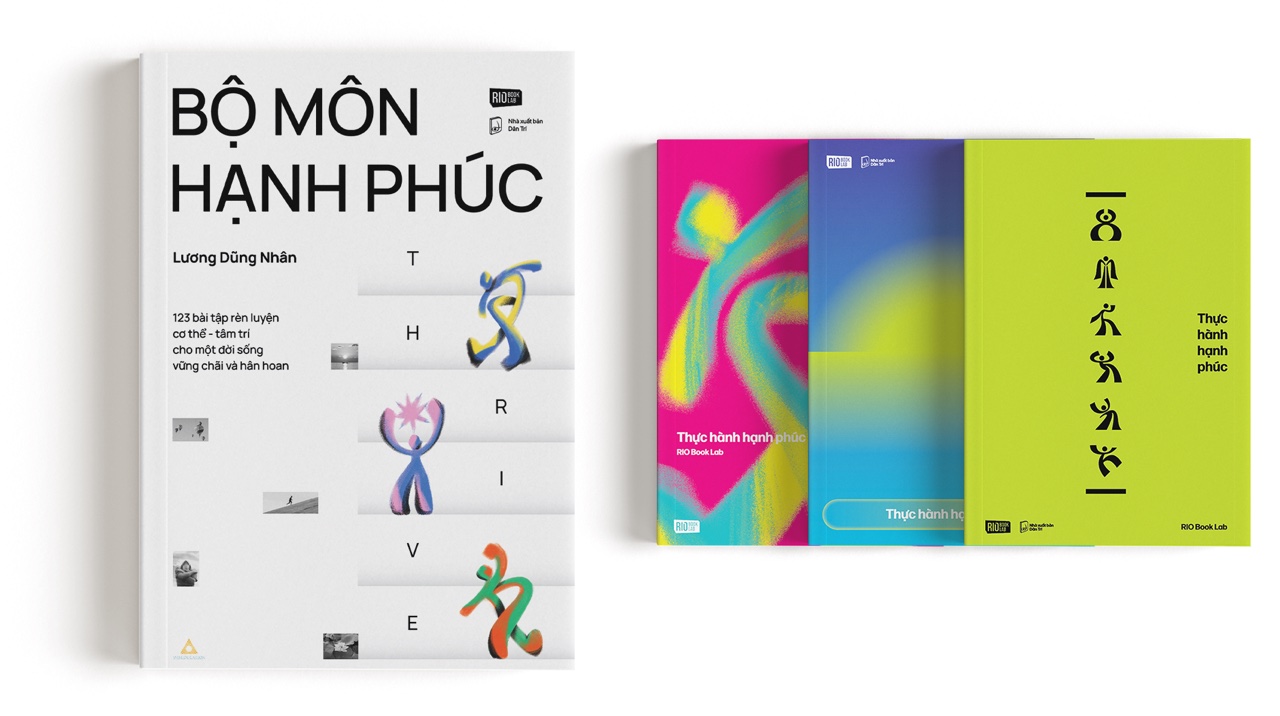
Sách "Bộ môn hạnh phúc: 123 bài tập rèn luyện cơ thể - tâm trí cho một đời sống vững chãi và hân hoan" Tác giả Lương Dũng Nhân · Đi kèm sổ tay "Thực hành hạnh phúc" 90 ngày & Khóa học E-learning "Nhập môn Bộ môn hạnh phúc" do tác giả trực tiếp hướng dẫn qua phim ghi hình tại WISEDUCATION

Nguồn của các nghiên cứu trong sách được xếp theo đúng trình tự chương và bài tập. Đang tập bài nào, bạn mở mục lục và chọn đúng bài đó; muốn đọc nguyên văn thì bấm vào đường dẫn cuối mỗi dòng.

Một số nguồn là sách phổ thông, báo cáo hoặc trang web chứ không phải bài báo đã qua bình duyệt, nên hãy đọc với mức tin cậy tương ứng.

Phiên bản 01, cập nhật 23/10/2026.

Để góp ý hoặc báo link hỏng, bạn hãy gửi thông tin đến: hello@ldn.edu.vn

A B C D E F G H I J K L M N O P Q R S T U V W X Y Z
Đang hiển thị toàn bộ 124 mục (273 lượt trích dẫn theo bài & 235 nguồn tổng hợp A–Z). Lưu ý: Các bài 6, 41, 49, 77, 106 là bài tập chiêm nghiệm thực hành tổng hợp từ nền tảng chung của chương.
Không tìm thấy mục nào khớp với từ khóa của bạn. Hãy thử một từ khóa khác hoặc bấm Xóa tìm kiếm.

PHẦN I. HIỂU VỀ BỘ MÔN HẠNH PHÚC

Chương 1

Khi hiệu suất cũng là một cơ chế tự vệ

Phần I · Nền tảng khoa học #chuong-1
  1. Arnsten, A. F. T. (2009). Stress signalling pathways that impair prefrontal cortex structure and function. Nature Reviews Neuroscience, 10(6), 410-422. https://doi.org/10.1038/nrn2648
  2. Liston, C., McEwen, B. S., & Casey, B. J. (2009). Psychosocial stress reversibly disrupts prefrontal processing and attentional control. Proceedings of the National Academy of Sciences, 106(3), 912-917. https://doi.org/10.1073/pnas.0807041106
  3. van der Wal, R. C., & van Dillen, L. F. (2013). Leaving a flat taste in your mouth: Task load reduces taste perception. Psychological Science, 24(7), 1277-1284. https://doi.org/10.1177/0956797612471953
Chương 2

Bộ môn hạnh phúc: Từ mong cầu sang rèn luyện

Phần I · Nền tảng khoa học #chuong-2
  1. Breines, J. G., & Chen, S. (2012). Self-compassion increases self-improvement motivation. Personality and Social Psychology Bulletin, 38(9), 1133-1143. https://doi.org/10.1177/0146167212445599
  2. Brown, N. J. L., & Rohrer, J. M. (2020). Easy as (happiness) pie? A critical evaluation of a popular model of the determinants of well-being. Journal of Happiness Studies, 21(4), 1285-1301. https://doi.org/10.1007/s10902-019-00128-4
  3. Diener, E., Lucas, R. E., & Scollon, C. N. (2006). Beyond the hedonic treadmill: Revising the adaptation theory of well-being. American Psychologist, 61(4), 305-314. https://doi.org/10.1037/0003-066X.61.4.305
  4. Driskell, J. E., Copper, C., & Moran, A. (1994). Does mental practice enhance performance? Journal of Applied Psychology, 79(4), 481-492. https://doi.org/10.1037/0021-9010.79.4.481
  5. Duhigg, C. (2012). The power of habit: Why we do what we do in life and business. Random House.
  6. Hétu, S., Grégoire, M., Saimpont, A., Coll, M.-P., Eugène, F., Michon, P.-E., & Jackson, P. L. (2013). The neural network of motor imagery: An ALE meta-analysis. Neuroscience & Biobehavioral Reviews, 37(5), 930-949. https://doi.org/10.1016/j.neubiorev.2013.03.017
  7. James, W. (1890). The principles of psychology (Vol. 1). Henry Holt and Company.
  8. Lally, P., van Jaarsveld, C. H. M., Potts, H. W. W., & Wardle, J. (2010). How are habits formed: Modelling habit formation in the real world. European Journal of Social Psychology, 40(6), 998-1009. https://doi.org/10.1002/ejsp.674
  9. Lyubomirsky, S., Sheldon, K. M., & Schkade, D. (2005). Pursuing happiness: The architecture of sustainable change. Review of General Psychology, 9(2), 111-131. https://doi.org/10.1037/1089-2680.9.2.111
  10. Neff, K. D. (2003). Self-compassion: An alternative conceptualization of a healthy attitude toward oneself. Self and Identity, 2(2), 85-101. https://doi.org/10.1080/15298860309032
  11. Neff, K. D. (2023). Self-compassion: Theory, method, research, and intervention. Annual Review of Psychology, 74, 193-218. https://doi.org/10.1146/annurev-psych-032420-031047
  12. Russell, B. (1911). Knowledge by acquaintance and knowledge by description. Proceedings of the Aristotelian Society, 11(1), 108-128. https://doi.org/10.1093/aristotelian/11.1.108
  13. Sheldon, K. M., & Lyubomirsky, S. (2021). Revisiting the sustainable happiness model and pie chart: Can happiness be successfully pursued? The Journal of Positive Psychology, 16(2), 145-154. https://doi.org/10.1080/17439760.2019.1689421
Chương 3

Mô hình THRIVE: 6 "nhóm cơ hạnh phúc"

Phần I · Nền tảng khoa học #chuong-3
  1. Dweck, C. S. (2006). Mindset: The new psychology of success. Random House.
  2. Dweck, C. S. (2015, September 22). Carol Dweck revisits the 'growth mindset'. Education Week. https://www.edweek.org/leadership/opinion-carol-dweck-revisits-the-growth-mindset/2015/09
  3. Frankl, V. E. (2006). Man's search for meaning (I. Lasch, Trans.). Beacon Press. (Original work published 1946)
  4. Fredrickson, B. L. (1998). What good are positive emotions? Review of General Psychology, 2(3), 300-319. https://doi.org/10.1037/1089-2680.2.3.300
  5. Fredrickson, B. L. (2001). The role of positive emotions in positive psychology: The broaden-and-build theory of positive emotions. American Psychologist, 56(3), 218-226. https://doi.org/10.1037/0003-066X.56.3.218
  6. Fredrickson, B. L., & Branigan, C. (2005). Positive emotions broaden the scope of attention and thought-action repertoires. Cognition & Emotion, 19(3), 313-332. https://doi.org/10.1080/02699930441000238
  7. Gollwitzer, P. M., & Sheeran, P. (2006). Implementation intentions and goal achievement: A meta-analysis of effects and processes. Advances in Experimental Social Psychology, 38, 69-119. https://doi.org/10.1016/S0065-2601(06)38002-1
  8. Grossman, P. (2023). Fundamental challenges and likely refutations of the five basic premises of the polyvagal theory. Biological Psychology, 180, Article 108589. https://doi.org/10.1016/j.biopsycho.2023.108589
  9. Hanson, R., & Mendius, R. (2009). Buddha's brain: The practical neuroscience of happiness, love & wisdom. New Harbinger Publications.
  10. Harkin, B., Webb, T. L., Chang, B. P. I., Prestwich, A., Conner, M., Kellar, I., Benn, Y., & Sheeran, P. (2016). Does monitoring goal progress promote goal attainment? A meta-analysis of the experimental evidence. Psychological Bulletin, 142(2), 198-229. https://doi.org/10.1037/bul0000025
  11. Holt-Lunstad, J., Smith, T. B., & Layton, J. B. (2010). Social relationships and mortality risk: A meta-analytic review. PLoS Medicine, 7(7), Article e1000316. https://doi.org/10.1371/journal.pmed.1000316
  12. Killingsworth, M. A., & Gilbert, D. T. (2010). A wandering mind is an unhappy mind. Science, 330(6006), 932. https://doi.org/10.1126/science.1192439
  13. Office of the U.S. Surgeon General. (2023). Our epidemic of loneliness and isolation: The U.S. Surgeon General's advisory on the healing effects of social connection and community. U.S. Department of Health and Human Services. https://www.hhs.gov/sites/default/files/surgeon-general-social-connection-advisory.pdf
  14. Porges, S. W. (2011). The polyvagal theory: Neurophysiological foundations of emotions, attachment, communication, and self-regulation. W. W. Norton & Company.
  15. Porges, S. W. (2022). Polyvagal theory: A science of safety. Frontiers in Integrative Neuroscience, 16, Article 871227. https://doi.org/10.3389/fnint.2022.871227

PHẦN II. THỰC HÀNH HẠNH PHÚC - 123 BÀI TẬP

Bài 1

Cái ôm hồ điệp (Butterfly hug)

T · Năng lượng [Tending] #bai-1
  1. Artigas, L., & Jarero, I. (2009). The butterfly hug. In M. Luber (Ed.), Eye movement desensitization and reprocessing (EMDR) scripted protocols: Special populations (pp. 5-7). Springer Publishing Company. https://doi.org/10.1891/9780826122452.0001
  2. Baek, J., Lee, S., Cho, T., Kim, S.-W., Kim, M., Yoon, Y., Kim, K. K., Byun, J., Kim, S. J., Jeong, J., & Shin, H.-S. (2019). Neural circuits underlying a psychotherapeutic regimen for fear disorders. Nature, 566(7744), 339-343. https://doi.org/10.1038/s41586-019-0931-y
Bài 2

Thở ra dài hơn hít vào

T · Năng lượng [Tending] #bai-2
  1. Laborde, S., Iskra, M., Zammit, N., Borges, U., You, M., Sevoz-Couche, C., & Dosseville, F. (2021). Slow-paced breathing: Influence of inhalation/exhalation ratio and of respiratory pauses on cardiac vagal activity. Sustainability, 13(14), Article 7775. https://doi.org/10.3390/su13147775
  2. Zaccaro, A., Piarulli, A., Laurino, M., Garbella, E., Menicucci, D., Neri, B., & Gemignani, A. (2018). How breath-control can change your life: A systematic review on psycho-physiological correlates of slow breathing. Frontiers in Human Neuroscience, 12, Article 353. https://doi.org/10.3389/fnhum.2018.00353
Bài 3

Nắm ngón tay cái

T · Năng lượng [Tending] #bai-3
  1. Dreisoerner, A., Junker, N. M., Schlotz, W., Heimrich, J., Bloemeke, S., Ditzen, B., & van Dick, R. (2021). Self-soothing touch and being hugged reduce cortisol responses to stress: A randomized controlled trial on stress, physical touch, and social identity. Comprehensive Psychoneuroendocrinology, 8, Article 100091. https://doi.org/10.1016/j.cpnec.2021.100091
Bài 4

Hơi thở đôi

T · Năng lượng [Tending] #bai-4
  1. Li, P., Janczewski, W. A., Yackle, K., Kam, K., Pagliardini, S., Krasnow, M. A., & Feldman, J. L. (2016). The peptidergic control circuit for sighing. Nature, 530(7590), 293-297. https://doi.org/10.1038/nature16964
  2. Yilmaz Balban, M., Neri, E., Kogon, M. M., Weed, L., Nouriani, B., Jo, B., Holl, G., Zeitzer, J. M., Spiegel, D., & Huberman, A. D. (2023). Brief structured respiration practices enhance mood and reduce physiological arousal. Cell Reports Medicine, 4(1), Article 100895. https://doi.org/10.1016/j.xcrm.2022.100895
Bài 5

Rửa mặt nước lạnh

T · Năng lượng [Tending] #bai-5
  1. Ackermann, S. P., Raab, M., Backschat, S., Smith, D. J. C., Javelle, F., & Laborde, S. (2023). The diving response and cardiac vagal activity: A systematic review and meta-analysis. Psychophysiology, 60(3), Article e14183. https://doi.org/10.1111/psyp.14183
  2. Goodwyn, E. (1788). The connexion of life with respiration; or, an experimental inquiry into the effects of submersion, strangulation, and several kinds of noxious airs, on living animals: With an account of the nature of the disease they produce; its distinction from death itself; and the most effectual means of cure. J. Johnson.
  3. Kyriakoulis, P., Kyrios, M., Nardi, A. E., Freire, R. C., & Schier, M. (2021). The implications of the diving response in reducing panic symptoms. Frontiers in Psychiatry, 12, Article 784884. https://doi.org/10.3389/fpsyt.2021.784884
  4. Linehan, M. M. (2015). DBT skills training handouts and worksheets (2nd ed.). Guilford Press.
  5. Scholander, P. F. (1962). Physiological adaptation to diving in animals and man. The Harvey Lectures, 57, 93-110.
  6. Vega, J. L. (2017). Edmund Goodwyn and the first description of diving bradycardia. Journal of Applied Physiology, 123(2), 275-277. https://doi.org/10.1152/japplphysiol.00221.2017
Bài 7

Cảm nhận cảm xúc trên cơ thể

T · Năng lượng [Tending] #bai-7
  1. Kabat-Zinn, J. (1982). An outpatient program in behavioral medicine for chronic pain patients based on the practice of mindfulness meditation: Theoretical considerations and preliminary results. General Hospital Psychiatry, 4(1), 33-47. https://doi.org/10.1016/0163-8343(82)90026-3
  2. Sevinc, G., Hölzel, B. K., Hashmi, J., Greenberg, J., McCallister, A., Treadway, M., Schneider, M. L., Dusek, J. A., Carmody, J., & Lazar, S. W. (2018). Common and dissociable neural activity after mindfulness-based stress reduction and relaxation response programs. Psychosomatic Medicine, 80(5), 439-451. https://doi.org/10.1097/PSY.0000000000000590
Bài 8

Giải tỏa cảm xúc có thời hạn

T · Năng lượng [Tending] #bai-8
  1. Gross, J. J. (1998). The emerging field of emotion regulation: An integrative review. Review of General Psychology, 2(3), 271-299. https://doi.org/10.1037/1089-2680.2.3.271
  2. Gross, J. J. (2002). Emotion regulation: Affective, cognitive, and social consequences. Psychophysiology, 39(3), 281-291. https://doi.org/10.1017/S0048577201393198
  3. Gross, J. J., & John, O. P. (2003). Individual differences in two emotion regulation processes: Implications for affect, relationships, and well-being. Journal of Personality and Social Psychology, 85(2), 348-362. https://doi.org/10.1037/0022-3514.85.2.348
Bài 9

Viết tự do

T · Năng lượng [Tending] #bai-9
  1. Frattaroli, J. (2006). Experimental disclosure and its moderators: A meta-analysis. Psychological Bulletin, 132(6), 823-865. https://doi.org/10.1037/0033-2909.132.6.823
  2. Pennebaker, J. W., & Beall, S. K. (1986). Confronting a traumatic event: Toward an understanding of inhibition and disease. Journal of Abnormal Psychology, 95(3), 274-281. https://doi.org/10.1037/0021-843X.95.3.274
  3. Pennebaker, J. W., & Smyth, J. M. (2016). Opening up by writing it down: How expressive writing improves health and eases emotional pain (3rd ed.). Guilford Press.
Bài 10

Khoảng nghỉ tự trắc ẩn (self-compassion break)

T · Năng lượng [Tending] #bai-10
  1. Breines, J. G., & Chen, S. (2012). Self-compassion increases self-improvement motivation. Personality and Social Psychology Bulletin, 38(9), 1133-1143. https://doi.org/10.1177/0146167212445599
  2. Ferrari, M., Hunt, C., Harrysunker, A., Abbott, M. J., Beath, A. P., & Einstein, D. A. (2019). Self-compassion interventions and psychosocial outcomes: A meta-analysis of RCTs. Mindfulness, 10(8), 1455-1473. https://doi.org/10.1007/s12671-019-01134-6
  3. MacBeth, A., & Gumley, A. (2012). Exploring compassion: A meta-analysis of the association between self-compassion and psychopathology. Clinical Psychology Review, 32(6), 545-552. https://doi.org/10.1016/j.cpr.2012.06.003
  4. Neff, K. D. (2003). Self-compassion: An alternative conceptualization of a healthy attitude toward oneself. Self and Identity, 2(2), 85-101. https://doi.org/10.1080/15298860309032
  5. Neff, K. D. (2023). Self-compassion: Theory, method, research, and intervention. Annual Review of Psychology, 74, 193-218. https://doi.org/10.1146/annurev-psych-032420-031047
  6. Neff, K. D., & Germer, C. K. (2013). A pilot study and randomized controlled trial of the mindful self-compassion program. Journal of Clinical Psychology, 69(1), 28-44. https://doi.org/10.1002/jclp.21923
  7. Zessin, U., Dickhäuser, O., & Garbade, S. (2015). The relationship between self-compassion and well-being: A meta-analysis. Applied Psychology: Health and Well-Being, 7(3), 340-364. https://doi.org/10.1111/aphw.12051
Bài 11

Nói "không" lành mạnh

T · Năng lượng [Tending] #bai-11
  1. Kossek, E. E., Ruderman, M. N., Braddy, P. W., & Hannum, K. M. (2012). Work-nonwork boundary management profiles: A person-centered approach. Journal of Vocational Behavior, 81(1), 112-128. https://doi.org/10.1016/j.jvb.2012.04.003
Bài 12

"Mình cần gì ngay lúc này?"

T · Năng lượng [Tending] #bai-12
  1. Neff, K. D. (2003). Self-compassion: An alternative conceptualization of a healthy attitude toward oneself. Self and Identity, 2(2), 85-101. https://doi.org/10.1080/15298860309032
Bài 13

Tiếp xúc nắng sớm

T · Năng lượng [Tending] #bai-13
  1. Huberman, A. (2023, January 24). Using light for health [Newsletter]. Huberman Lab. https://www.hubermanlab.com/newsletter/using-light-for-health
  2. Menezes-Júnior, L. A. A., Sabião, T. da S., Carraro, J. C. C., Machado-Coelho, G. L. L., & Meireles, A. L. (2025). The role of sunlight in sleep regulation: Analysis of morning, evening and late exposure. BMC Public Health, 25, Article 3362. https://doi.org/10.1186/s12889-025-24618-8
Bài 14

Nghỉ ngơi sâu không ngủ (NSDR/YOGA NIDRA)

T · Năng lượng [Tending] #bai-14
  1. Kjaer, T. W., Bertelsen, C., Piccini, P., Brooks, D., Alving, J., & Lou, H. C. (2002). Increased dopamine tone during meditation-induced change of consciousness. Cognitive Brain Research, 13(2), 255-259. https://doi.org/10.1016/S0926-6410(01)00106-9
Bài 15

Thư giãn cơ tiến triển (PMR - progressive muscle relaxation)

T · Năng lượng [Tending] #bai-15
  1. Edinger, J. D., Arnedt, J. T., Bertisch, S. M., Carney, C. E., Harrington, J. J., Lichstein, K. L., Sateia, M. J., Troxel, W. M., Zhou, E. S., Kazmi, U., Heald, J. L., & Martin, J. L. (2021). Behavioral and psychological treatments for chronic insomnia disorder in adults: An American Academy of Sleep Medicine clinical practice guideline. Journal of Clinical Sleep Medicine, 17(2), 255-262. https://doi.org/10.5664/jcsm.8986
  2. Jacobson, E. (1929). Progressive relaxation: A physiological and clinical investigation of muscular states and their significance in psychology and medical practice. University of Chicago Press.
  3. Manzoni, G. M., Pagnini, F., Castelnuovo, G., & Molinari, E. (2008). Relaxation training for anxiety: A ten-years systematic review with meta-analysis. BMC Psychiatry, 8, Article 41. https://doi.org/10.1186/1471-244X-8-41
Bài 16

Nghi thức ngủ

T · Năng lượng [Tending] #bai-16
  1. Baranwal, N., Yu, P. K., & Siegel, N. S. (2023). Sleep physiology, pathophysiology, and sleep hygiene. Progress in Cardiovascular Diseases, 77, 59-69. https://doi.org/10.1016/j.pcad.2023.02.005
  2. Morin, C. M., Hauri, P. J., Espie, C. A., Spielman, A. J., Buysse, D. J., & Bootzin, R. R. (1999). Nonpharmacologic treatment of chronic insomnia: An American Academy of Sleep Medicine review. Sleep, 22(8), 1134-1156. https://doi.org/10.1093/sleep/22.8.1134
  3. Qaseem, A., Kansagara, D., Forciea, M. A., Cooke, M., Denberg, T. D., & Clinical Guidelines Committee of the American College of Physicians. (2016). Management of chronic insomnia disorder in adults: A clinical practice guideline from the American College of Physicians. Annals of Internal Medicine, 165(2), 125-133. https://doi.org/10.7326/M15-2175
  4. Riemann, D., Espie, C. A., Altena, E., Arnardottir, E. S., Baglioni, C., Bassetti, C. L. A., Bastien, C., Berzina, N., Bjorvatn, B., Dikeos, D., Dolenc Groselj, L., Ellis, J. G., Garcia-Borreguero, D., Geoffroy, P. A., Gjerstad, M., Gonçalves, M., Hertenstein, E., Hoedlmoser, K., Hion, T., . . . Spiegelhalder, K. (2023). The European Insomnia Guideline: An update on the diagnosis and treatment of insomnia 2023. Journal of Sleep Research, 32(6), Article e14035. https://doi.org/10.1111/jsr.14035
Bài 17

Gác chân lên tường (Viparita Karani)

T · Năng lượng [Tending] #bai-17
  1. Svātmārāma. (1914). The Hatha Yoga Pradipika (P. Sinh, Trans.). Panini Office.
Bài 18

Rung lắc xả căng thẳng (TRE - Tension & Trauma Releasing Exercises)

T · Năng lượng [Tending] #bai-18
  1. Berceli, D., Salmon, M., Bonifas, R., & Ndefo, N. (2014). Effects of self-induced unclassified therapeutic tremors on quality of life among non-professional caregivers: A pilot study. Global Advances in Health and Medicine, 3(5), 45-48. https://doi.org/10.7453/gahmj.2014.032
Bài 19

Đi bộ nhanh 10 phút

T · Năng lượng [Tending] #bai-19
  1. Anxiety & Depression Association of America. (n.d.). Exercise for stress and anxiety. Retrieved October 14, 2026, from https://adaa.org/living-with-anxiety/managing-anxiety/exercise-stress-and-anxiety
  2. Xu, Z., Zheng, X., Ding, H., Zhang, D., Cheung, P. M.-H., Yang, Z., Tam, K. W., Zhou, W., Chan, D. C.-C., Wang, W., & Wong, S. Y.-S. (2024). The effect of walking on depressive and anxiety symptoms: Systematic review and meta-analysis. JMIR Public Health and Surveillance, 10, Article e48355.
Bài 20

Vận động vi mô (Micro-movements)

T · Năng lượng [Tending] #bai-20
  1. Biswas, A., Oh, P. I., Faulkner, G. E., Bajaj, R. R., Silver, M. A., Mitchell, M. S., & Alter, D. A. (2015). Sedentary time and its association with risk for disease incidence, mortality, and hospitalization in adults: A systematic review and meta-analysis. Annals of Internal Medicine, 162(2), 123-132. https://doi.org/10.7326/M14-1651
  2. Dunstan, D. W., Kingwell, B. A., Larsen, R., Healy, G. N., Cerin, E., Hamilton, M. T., Shaw, J. E., Bertovic, D. A., Zimmet, P. Z., Salmon, J., & Owen, N. (2012). Breaking up prolonged sitting reduces postprandial glucose and insulin responses. Diabetes Care, 35(5), 976-983. https://doi.org/10.2337/dc11-1931
  3. Nair, S., Sagar, M., Sollers, J. J., Consedine, N. S., & Broadbent, E. (2015). Do slumped and upright postures affect stress responses? A randomized trial. Health Psychology, 34(6), 632-641. https://doi.org/10.1037/hea0000146
Bài 21

Ôm 20 giây

H · Kết nối [Harmonizing] #bai-21
  1. McGlone, F., Wessberg, J., & Olausson, H. (2014). Discriminative and affective touch: Sensing and feeling. Neuron, 82(4), 737-755. https://doi.org/10.1016/j.neuron.2014.05.001
  2. Murphy, M. L. M., Janicki-Deverts, D., & Cohen, S. (2018). Receiving a hug is associated with the attenuation of negative mood that occurs on days with interpersonal conflict. PLOS ONE, 13(10), Article e0203522. https://doi.org/10.1371/journal.pone.0203522
  3. Walker, S. C., Trotter, P. D., Swaney, W. T., Marshall, A., & McGlone, F. P. (2017). C-tactile afferents: Cutaneous mediators of oxytocin release during affiliative tactile interactions? Neuropeptides, 64, 27-38. https://doi.org/10.1016/j.npep.2017.01.001
Bài 22

Lắng nghe đồng cảm

H · Kết nối [Harmonizing] #bai-22
  1. Anders, S., Heinzle, J., Weiskopf, N., Ethofer, T., & Haynes, J.-D. (2011). Flow of affective information between communicating brains. NeuroImage, 54(1), 439-446. https://doi.org/10.1016/j.neuroimage.2010.07.004
  2. Itzchakov, G., Kluger, A. N., & Castro, D. R. (2017). I am aware of my inconsistencies but can tolerate them: The effect of high quality listening on speakers' attitude ambivalence. Personality and Social Psychology Bulletin, 43(1), 105-120. https://doi.org/10.1177/0146167216675339
Bài 23

Bữa ăn không thiết bị

H · Kết nối [Harmonizing] #bai-23
  1. Eisenberg, M. E., Olson, R. E., Neumark-Sztainer, D., Story, M., & Bearinger, L. H. (2004). Correlations between family meals and psychosocial well-being among adolescents. Archives of Pediatrics & Adolescent Medicine, 158(8), 792-796. https://doi.org/10.1001/archpedi.158.8.792
  2. Fiese, B. H., Tomcho, T. J., Douglas, M., Josephs, K., Poltrock, S., & Baker, T. (2002). A review of 50 years of research on naturally occurring family routines and rituals: Cause for celebration? Journal of Family Psychology, 16(4), 381-390. https://doi.org/10.1037/0893-3200.16.4.381
  3. Misra, S., Cheng, L., Genevie, J., & Yuan, M. (2016). The iPhone effect: The quality of in-person social interactions in the presence of mobile devices. Environment and Behavior, 48(2), 275-298. https://doi.org/10.1177/0013916514539755
  4. Neumark-Sztainer, D., Wall, M., Story, M., & Fulkerson, J. A. (2004). Are family meal patterns associated with disordered eating behaviors among adolescents? Journal of Adolescent Health, 35(5), 350-359. https://doi.org/10.1016/j.jadohealth.2004.01.004
Bài 24

Câu hỏi chất lượng

H · Kết nối [Harmonizing] #bai-24
  1. Aron, A., Melinat, E., Aron, E. N., Vallone, R. D., & Bator, R. J. (1997). The experimental generation of interpersonal closeness: A procedure and some preliminary findings. Personality and Social Psychology Bulletin, 23(4), 363-377. https://doi.org/10.1177/0146167297234003
  2. Kardas, M., Kumar, A., & Epley, N. (2022). Overly shallow?: Miscalibrated expectations create a barrier to deeper conversation. Journal of Personality and Social Psychology, 122(3), 367-398. https://doi.org/10.1037/pspa0000281
Bài 25

Đáp lại tin vui

H · Kết nối [Harmonizing] #bai-25
  1. Gable, S. L., Gonzaga, G. C., & Strachman, A. (2006). Will you be there for me when things go right? Supportive responses to positive event disclosures. Journal of Personality and Social Psychology, 91(5), 904-917. https://doi.org/10.1037/0022-3514.91.5.904
  2. Gable, S. L., Reis, H. T., Impett, E. A., & Asher, E. R. (2004). What do you do when things go right? The intrapersonal and interpersonal benefits of sharing positive events. Journal of Personality and Social Psychology, 87(2), 228-245. https://doi.org/10.1037/0022-3514.87.2.228
Bài 26

Ánh mắt hiện diện

H · Kết nối [Harmonizing] #bai-26
  1. Kampe, K. K. W., Frith, C. D., Dolan, R. J., & Frith, U. (2001). Reward value of attractiveness and gaze. Nature, 413(6856), 589. https://doi.org/10.1038/35098149
  2. Senju, A., & Johnson, M. H. (2009). The eye contact effect: Mechanisms and development. Trends in Cognitive Sciences, 13(3), 127-134. https://doi.org/10.1016/j.tics.2008.11.009
Bài 27

Lời xin lỗi chân thành

H · Kết nối [Harmonizing] #bai-27
  1. Lazare, A. (2004). On apology. Oxford University Press.
  2. Lewicki, R. J., Polin, B., & Lount, R. B., Jr. (2016). An exploration of the structure of effective apologies. Negotiation and Conflict Management Research, 9(2), 177-196. https://doi.org/10.1111/ncmr.12073
  3. McCullough, M. E., Worthington, E. L., Jr., & Rachal, K. C. (1997). Interpersonal forgiving in close relationships. Journal of Personality and Social Psychology, 73(2), 321-336. https://doi.org/10.1037/0022-3514.73.2.321
  4. Schumann, K. (2014). An affirmed self and a better apology: The effect of self-affirmation on transgressors' responses to victims. Journal of Experimental Social Psychology, 54, 89-96. https://doi.org/10.1016/j.jesp.2014.04.013
  5. Schumann, K. (2018). The psychology of offering an apology: Understanding the barriers to apologizing and how to overcome them. Current Directions in Psychological Science, 27(2), 74-78. https://doi.org/10.1177/0963721417741709
Bài 28

Tin nhắn biết ơn bất ngờ

H · Kết nối [Harmonizing] #bai-28
  1. Kumar, A., & Epley, N. (2018). Undervaluing gratitude: Expressers misunderstand the consequences of showing appreciation. Psychological Science, 29(9), 1423-1435. https://doi.org/10.1177/0956797618772506
Bài 29

Khen ngợi sau lưng

H · Kết nối [Harmonizing] #bai-29
  1. Foster, E. K. (2004). Research on gossip: Taxonomy, methods, and future directions. Review of General Psychology, 8(2), 78-99. https://doi.org/10.1037/1089-2680.8.2.78
  2. Wu, J., Balliet, D., & Van Lange, P. A. M. (2016). Reputation, gossip, and human cooperation. Social and Personality Psychology Compass, 10(6), 350-364. https://doi.org/10.1111/spc3.12255
Bài 30

Mỉm cười với người phục vụ

H · Kết nối [Harmonizing] #bai-30
  1. Epley, N., & Schroeder, J. (2014). Mistakenly seeking solitude. Journal of Experimental Psychology: General, 143(5), 1980-1999. https://doi.org/10.1037/a0037323
  2. Sandstrom, G. M., & Dunn, E. W. (2014). Social interactions and well-being: The surprising power of weak ties. Personality and Social Psychology Bulletin, 40(7), 910-922. https://doi.org/10.1177/0146167214529799
Bài 31

Viết thư cho bản thân

H · Kết nối [Harmonizing] #bai-31
  1. Breines, J. G., & Chen, S. (2012). Self-compassion increases self-improvement motivation. Personality and Social Psychology Bulletin, 38(9), 1133-1143. https://doi.org/10.1177/0146167212445599
  2. Leary, M. R., Tate, E. B., Adams, C. E., Allen, A. B., & Hancock, J. (2007). Self-compassion and reactions to unpleasant self-relevant events: The implications of treating oneself kindly. Journal of Personality and Social Psychology, 92(5), 887-904. https://doi.org/10.1037/0022-3514.92.5.887
  3. Neff, K. (n.d.). Exercise 3: Exploring self-compassion through writing. Self-Compassion Institute. Retrieved October 15, 2026, from https://self-compassion.org/exercises/exercise-3-exploring-self-compassion-through-writing
  4. Neff, K. D. (2003). Self-compassion: An alternative conceptualization of a healthy attitude toward oneself. Self and Identity, 2(2), 85-101. https://doi.org/10.1080/15298860309032
Bài 32

Chia sẻ sự mong manh

H · Kết nối [Harmonizing] #bai-32
  1. Brown, B. (2010). The gifts of imperfection: Let go of who you think you're supposed to be and embrace who you are. Hazelden.
  2. Brown, B. (2012). Daring greatly: How the courage to be vulnerable transforms the way we live, love, parent, and lead. Gotham Books.
  3. Brown, B. (2015). Rising strong: The reckoning, the rumble, the revolution. Spiegel & Grau.
  4. Bruk, A., Scholl, S. G., & Bless, H. (2018). Beautiful mess effect: Self-other differences in evaluation of showing vulnerability. Journal of Personality and Social Psychology, 115(2), 192-205. https://doi.org/10.1037/pspa0000120
Bài 33

Tặng quà vô hình

H · Kết nối [Harmonizing] #bai-33
  1. Aknin, L. B., Barrington-Leigh, C. P., Dunn, E. W., Helliwell, J. F., Burns, J., Biswas-Diener, R., Kemeza, I., Nyende, P., Ashton-James, C. E., & Norton, M. I. (2013). Prosocial spending and well-being: Cross-cultural evidence for a psychological universal. Journal of Personality and Social Psychology, 104(4), 635-652. https://doi.org/10.1037/a0031578
  2. Fowler, J. H., & Christakis, N. A. (2010). Cooperative behavior cascades in human social networks. Proceedings of the National Academy of Sciences, 107(12), 5334-5338. https://doi.org/10.1073/pnas.0913149107
  3. Lyubomirsky, S., Sheldon, K. M., & Schkade, D. (2005). Pursuing happiness: The architecture of sustainable change. Review of General Psychology, 9(2), 111-131. https://doi.org/10.1037/1089-2680.9.2.111
Bài 34

Quán tưởng từ-bi-hỷ-xả

H · Kết nối [Harmonizing] #bai-34
  1. Hutcherson, C. A., Seppala, E. M., & Gross, J. J. (2008). Loving-kindness meditation increases social connectedness. Emotion, 8(5), 720-724. https://doi.org/10.1037/a0013237
  2. Zeng, X., Chiu, C. P. K., Wang, R., Oei, T. P. S., & Leung, F. Y. K. (2015). The effect of loving-kindness meditation on positive emotions: A meta-analytic review. Frontiers in Psychology, 6, Article 1693. https://doi.org/10.3389/fpsyg.2015.01693
Bài 35

Tư duy đồng cảm

H · Kết nối [Harmonizing] #bai-35
  1. Neff, K. D. (2003). Self-compassion: An alternative conceptualization of a healthy attitude toward oneself. Self and Identity, 2(2), 85-101. https://doi.org/10.1080/15298860309032
  2. Tan, C.-M. (2012). Search inside yourself: The unexpected path to achieving success, happiness (and world peace). HarperOne.
Bài 36

Tha thứ cho bản thân

H · Kết nối [Harmonizing] #bai-36
  1. Cornish, M. A., & Wade, N. G. (2015a). A therapeutic model of self-forgiveness with intervention strategies for counselors. Journal of Counseling & Development, 93(1), 96-104. https://doi.org/10.1002/j.1556-6676.2015.00185.x
  2. Cornish, M. A., & Wade, N. G. (2015b). Working through past wrongdoing: Examination of a self-forgiveness counseling intervention. Journal of Counseling Psychology, 62(3), 521-528. https://doi.org/10.1037/cou0000080
  3. Tangney, J. P., & Dearing, R. L. (2002). Shame and guilt. Guilford Press.
Bài 37

Nghi thức gia đình

H · Kết nối [Harmonizing] #bai-37
  1. Fiese, B. H., Tomcho, T. J., Douglas, M., Josephs, K., Poltrock, S., & Baker, T. (2002). A review of 50 years of research on naturally occurring family routines and rituals: Cause for celebration? Journal of Family Psychology, 16(4), 381-390. https://doi.org/10.1037/0893-3200.16.4.381
  2. Norton, M. I., & Gino, F. (2014). Rituals alleviate grieving for loved ones, lovers, and lotteries. Journal of Experimental Psychology: General, 143(1), 266-272. https://doi.org/10.1037/a0031772
  3. Spagnola, M., & Fiese, B. H. (2007). Family routines and rituals: A context for development in the lives of young children. Infants & Young Children, 20(4), 284-299. https://doi.org/10.1097/01.IYC.0000290352.32170.5a
Bài 38

Tha thứ trong tâm tưởng

H · Kết nối [Harmonizing] #bai-38
  1. Witvliet, C. V. O., Ludwig, T. E., & Vander Laan, K. L. (2001). Granting forgiveness or harboring grudges: Implications for emotion, physiology, and health. Psychological Science, 12(2), 117-123. https://doi.org/10.1111/1467-9280.00320
  2. Worthington, E. L., Jr. (2001). Five steps to forgiveness: The art and science of forgiving. Crown Publishers.
Bài 39

Gọi cho người lâu không nói chuyện

H · Kết nối [Harmonizing] #bai-39
  1. Kumar, A., & Epley, N. (2021). It's surprisingly nice to hear you: Misunderstanding the impact of communication media can lead to suboptimal choices of how to connect with others. Journal of Experimental Psychology: General, 150(3), 595-607. https://doi.org/10.1037/xge0000962
  2. Liu, P. J., Rim, S., Min, L., & Min, K. E. (2023). The surprise of reaching out: Appreciated more than we think. Journal of Personality and Social Psychology, 124(4), 754-771. https://doi.org/10.1037/pspi0000402
  3. Sandstrom, G. M., & Dunn, E. W. (2014). Social interactions and well-being: The surprising power of weak ties. Personality and Social Psychology Bulletin, 40(7), 910-922. https://doi.org/10.1177/0146167214529799
Bài 40

Tìm cộng đồng của mình

H · Kết nối [Harmonizing] #bai-40
  1. Dunbar, R. I. M. (1992). Neocortex size as a constraint on group size in primates. Journal of Human Evolution, 22(6), 469-493. https://doi.org/10.1016/0047-2484(92)90081-J
  2. Dunbar, R. I. M. (1993). Coevolution of neocortical size, group size and language in humans. Behavioral and Brain Sciences, 16(4), 681-694. https://doi.org/10.1017/S0140525X00032325
  3. Dunbar, R. I. M. (2018). The anatomy of friendship. Trends in Cognitive Sciences, 22(1), 32-51. https://doi.org/10.1016/j.tics.2017.10.004
  4. Waldinger, R., & Schulz, M. (2023). The good life: Lessons from the world's longest scientific study of happiness. Simon & Schuster.
  5. Zhou, W.-X., Sornette, D., Hill, R. A., & Dunbar, R. I. M. (2005). Discrete hierarchical organization of social group sizes. Proceedings of the Royal Society B: Biological Sciences, 272(1561), 439-444. https://doi.org/10.1098/rspb.2004.2970
Bài 42

Viết cáo phó giả định

R · Định hướng [Realizing] #bai-42
  1. Cozzolino, P. J., Staples, A. D., Meyers, L. S., & Samboceti, J. (2004). Greed, death, and values: From terror management to transcendence management theory. Personality and Social Psychology Bulletin, 30(3), 278-292. https://doi.org/10.1177/0146167203260716
Bài 43

Định nghĩa lại thành công

R · Định hướng [Realizing] #bai-43
  1. Niemiec, C. P., Ryan, R. M., & Deci, E. L. (2009). The path taken: Consequences of attaining intrinsic and extrinsic aspirations in post-college life. Journal of Research in Personality, 43(3), 291-306. https://doi.org/10.1016/j.jrp.2008.09.001
Bài 44

Đi tìm điểm mạnh

R · Định hướng [Realizing] #bai-44
  1. Seligman, M. E. P., Steen, T. A., Park, N., & Peterson, C. (2005). Positive psychology progress: Empirical validation of interventions. American Psychologist, 60(5), 410-421. https://doi.org/10.1037/0003-066X.60.5.410
  2. VIA Institute on Character. (n.d.). VIA Character Strengths Survey & character reports. Retrieved October 14, 2026, from https://www.viacharacter.org/
Bài 45

Tuyên ngôn sứ mệnh

R · Định hướng [Realizing] #bai-45
  1. Hill, P. L., & Turiano, N. A. (2014). Purpose in life as a predictor of mortality across adulthood. Psychological Science, 25(7), 1482-1486. https://doi.org/10.1177/0956797614531799
  2. McKnight, P. E., & Kashdan, T. B. (2009). Purpose in life as a system that creates and sustains health and well-being: An integrative, testable theory. Review of General Psychology, 13(3), 242-251. https://doi.org/10.1037/a0017152
Bài 47

Tinh chỉnh công việc

R · Định hướng [Realizing] #bai-47
  1. Rudolph, C. W., Katz, I. M., Lavigne, K. N., & Zacher, H. (2017). Job crafting: A meta-analysis of relationships with individual differences, job characteristics, and work outcomes. Journal of Vocational Behavior, 102, 112-138. https://doi.org/10.1016/j.jvb.2017.05.008
  2. Wrzesniewski, A., & Dutton, J. E. (2001). Crafting a job: Revisioning employees as active crafters of their work. Academy of Management Review, 26(2), 179-201. https://doi.org/10.5465/amr.2001.4378011
Bài 48

Tư duy "được làm" thay vì "phải làm"

R · Định hướng [Realizing] #bai-48
  1. Deci, E. L., & Ryan, R. M. (2000). The "what" and "why" of goal pursuits: Human needs and the self-determination of behavior. Psychological Inquiry, 11(4), 227-268. https://doi.org/10.1207/S15327965PLI1104_01
  2. Lally, P., van Jaarsveld, C. H. M., Potts, H. W. W., & Wardle, J. (2010). How are habits formed: Modelling habit formation in the real world. European Journal of Social Psychology, 40(6), 998-1009. https://doi.org/10.1002/ejsp.674
Bài 50

Quy tắc 80/20 hạnh phúc

R · Định hướng [Realizing] #bai-50
  1. Lyubomirsky, S., & Layous, K. (2013). How do simple positive activities increase well-being? Current Directions in Psychological Science, 22(1), 57-62. https://doi.org/10.1177/0963721412469809
  2. Lyubomirsky, S., Sheldon, K. M., & Schkade, D. (2005). Pursuing happiness: The architecture of sustainable change. Review of General Psychology, 9(2), 111-131. https://doi.org/10.1037/1089-2680.9.2.111
Bài 51

Nhìn lại cuối ngày theo giá trị

R · Định hướng [Realizing] #bai-51
  1. Seligman, M. E. P., Steen, T. A., Park, N., & Peterson, C. (2005). Positive psychology progress: Empirical validation of interventions. American Psychologist, 60(5), 410-421. https://doi.org/10.1037/0003-066X.60.5.410
Bài 52

Khoảnh khắc di sản

R · Định hướng [Realizing] #bai-52
  1. Erikson, E. H. (1950). Childhood and society. Norton.
  2. McAdams, D. P., & de St. Aubin, E. (1992). A theory of generativity and its assessment through self-report, behavioral acts, and narrative themes in autobiography. Journal of Personality and Social Psychology, 62(6), 1003-1015. https://doi.org/10.1037/0022-3514.62.6.1003
Bài 53

Lời tự nhủ về vô thường

R · Định hướng [Realizing] #bai-53
  1. Vail, K. E., III, Juhl, J., Arndt, J., Vess, M., Routledge, C., & Rutjens, B. T. (2012). When death is good for life: Considering the positive trajectories of terror management. Personality and Social Psychology Review, 16(4), 303-329. https://doi.org/10.1177/1088868312440046
Bài 54

Tái nhận định thất bại

R · Định hướng [Realizing] #bai-54
  1. Buhle, J. T., Silvers, J. A., Wager, T. D., Lopez, R., Onyemekwu, C., Kober, H., Weber, J., & Ochsner, K. N. (2014). Cognitive reappraisal of emotion: A meta-analysis of human neuroimaging studies. Cerebral Cortex, 24(11), 2981-2990. https://doi.org/10.1093/cercor/bht154
  2. Troy, A. S., Wilhelm, F. H., Shallcross, A. J., & Mauss, I. B. (2010). Seeing the silver lining: Cognitive reappraisal ability moderates the relationship between stress and depressive symptoms. Emotion, 10(6), 783-795. https://doi.org/10.1037/a0020262
Bài 55

Quan sát nỗi lo trên giấy

R · Định hướng [Realizing] #bai-55
  1. Borkovec, T. D., Wilkinson, L., Folensbee, R., & Lerman, C. (1983). Stimulus control applications to the treatment of worry. Behaviour Research and Therapy, 21(3), 247-251. https://doi.org/10.1016/0005-7967(83)90206-1
  2. Newman, M. G., & Llera, S. J. (2011). A novel theory of experiential avoidance in generalized anxiety disorder: A review and synthesis of research supporting a contrast avoidance model of worry. Clinical Psychology Review, 31(3), 371-382. https://doi.org/10.1016/j.cpr.2011.01.008
Bài 56

Chấp nhận triệt để

R · Định hướng [Realizing] #bai-56
  1. Linehan, M. M. (2015). DBT skills training handouts and worksheets (2nd ed.). Guilford Press.
Bài 57

Sống như ngày cuối

R · Định hướng [Realizing] #bai-57
  1. Cozzolino, P. J., Staples, A. D., Meyers, L. S., & Samboceti, J. (2004). Greed, death, and values: From terror management to transcendence management theory. Personality and Social Psychology Bulletin, 30(3), 278-292. https://doi.org/10.1177/0146167203260716
  2. Frias, A., Watkins, P. C., Webber, A. C., & Froh, J. J. (2011). Death and gratitude: Death reflection enhances gratitude. The Journal of Positive Psychology, 6(2), 154-162. https://doi.org/10.1080/17439760.2011.558848
  3. Rosenblatt, A., Greenberg, J., Solomon, S., Pyszczynski, T., & Lyon, D. (1989). Evidence for terror management theory: I. The effects of mortality salience on reactions to those who violate or uphold cultural values. Journal of Personality and Social Psychology, 57(4), 681-690. https://doi.org/10.1037/0022-3514.57.4.681
  4. Vail, K. E., III, Juhl, J., Arndt, J., Vess, M., Routledge, C., & Rutjens, B. T. (2012). When death is good for life: Considering the positive trajectories of terror management. Personality and Social Psychology Review, 16(4), 303-329. https://doi.org/10.1177/1088868312440046
Bài 58

Vòng tròn kiểm soát

R · Định hướng [Realizing] #bai-58
  1. Covey, S. R. (1989). The seven habits of highly effective people: Restoring the character ethic. Simon and Schuster.
  2. Rotter, J. B. (1966). Generalized expectancies for internal versus external control of reinforcement. Psychological Monographs: General and Applied, 80(1), 1-28. https://doi.org/10.1037/h0092976
Bài 60

Cam kết nhỏ với bản thân

R · Định hướng [Realizing] #bai-60
  1. Bandura, A. (1997). Self-efficacy: The exercise of control. W. H. Freeman.
  2. Clear, J. (2018). Atomic habits: An easy & proven way to build good habits & break bad ones. Avery.
  3. Gollwitzer, P. M., & Sheeran, P. (2006). Implementation intentions and goal achievement: A meta-analysis of effects and processes. Advances in Experimental Social Psychology, 38, 69-119. https://doi.org/10.1016/S0065-2601(06)38002-1
Bài 61

Ăn trong chánh niệm

I · Tỉnh thức [Immersing] #bai-61
  1. Robinson, E., Aveyard, P., Daley, A., Jolly, K., Lewis, A., Lycett, D., & Higgs, S. (2013). Eating attentively: A systematic review and meta-analysis of the effect of food intake memory and awareness on eating. The American Journal of Clinical Nutrition, 97(4), 728-742. https://doi.org/10.3945/ajcn.112.045245
  2. Wright, H., Li, X., Fallon, N. B., Crookall, R., Giesbrecht, T., Thomas, A., Halford, J. C. G., Harrold, J., & Stancak, A. (2016). Differential effects of hunger and satiety on insular cortex and hypothalamic functional connectivity. European Journal of Neuroscience, 43(9), 1181-1189. https://doi.org/10.1111/ejn.13182
Bài 62

Uống trà hoặc cà phê tỉnh thức

I · Tỉnh thức [Immersing] #bai-62
  1. Bryant, F. B., & Veroff, J. (2007). Savoring: A new model of positive experience. Lawrence Erlbaum Associates.
  2. Nhat Hanh, T. (1987). The miracle of mindfulness: An introduction to the practice of meditation (M. Ho, Trans.). Beacon Press. (Original work published 1975)
Bài 63

Lắng nghe âm thanh môi trường

I · Tỉnh thức [Immersing] #bai-63
  1. Buxton, R. T., Pearson, A. L., Allou, C., Fristrup, K., & Wittemyer, G. (2021). A synthesis of health benefits of natural sounds and their distribution in national parks. Proceedings of the National Academy of Sciences, 118(14), Article e2013097118. https://doi.org/10.1073/pnas.2013097118
  2. Kaplan, R., & Kaplan, S. (1989). The experience of nature: A psychological perspective. Cambridge University Press.
  3. Stobbe, E., Sundermann, J., Ascone, L., & Kühn, S. (2022). Birdsongs alleviate anxiety and paranoia in healthy participants. Scientific Reports, 12(1), Article 16414. https://doi.org/10.1038/s41598-022-20841-0
Bài 64

Quan sát chi tiết một vật

I · Tỉnh thức [Immersing] #bai-64
  1. Mark, G. (2023). Attention span: A groundbreaking way to restore balance, happiness and productivity. Hanover Square Press.
  2. Tang, Y.-Y., Ma, Y., Wang, J., Fan, Y., Feng, S., Lu, Q., Yu, Q., Sui, D., Rothbart, M. K., Fan, M., & Posner, M. I. (2007). Short-term meditation training improves attention and self-regulation. Proceedings of the National Academy of Sciences, 104(43), 17152-17156. https://doi.org/10.1073/pnas.0707678104
Bài 65

Tắm thiên nhiên

I · Tỉnh thức [Immersing] #bai-65
  1. Bratman, G. N., Hamilton, J. P., Hahn, K. S., Daily, G. C., & Gross, J. J. (2015). Nature experience reduces rumination and subgenual prefrontal cortex activation. Proceedings of the National Academy of Sciences, 112(28), 8567-8572. https://doi.org/10.1073/pnas.1510459112
Bài 66

Đôi bàn tay xoa dịu

I · Tỉnh thức [Immersing] #bai-66
  1. Löken, L. S., Wessberg, J., Morrison, I., McGlone, F., & Olausson, H. (2009). Coding of pleasant touch by unmyelinated afferents in humans. Nature Neuroscience, 12(5), 547-548. https://doi.org/10.1038/nn.2312
  2. McGlone, F., Wessberg, J., & Olausson, H. (2014). Discriminative and affective touch: Sensing and feeling. Neuron, 82(4), 737-755. https://doi.org/10.1016/j.neuron.2014.05.001
Bài 67

Hít thở mùi hương

I · Tỉnh thức [Immersing] #bai-67
  1. Herz, R. (2016). The role of odor-evoked memory in psychological and physiological health. Brain Sciences, 6(3), Article 22. https://doi.org/10.3390/brainsci6030022
Bài 68

Đơn nhiệm

I · Tỉnh thức [Immersing] #bai-68
  1. Mark, G. (2023). Attention span: A groundbreaking way to restore balance, happiness and productivity. Hanover Square Press.
  2. Mark, G., Gonzalez, V. M., & Harris, J. (2005). No task left behind? Examining the nature of fragmented work. In Proceedings of the SIGCHI Conference on Human Factors in Computing Systems (pp. 321-330). ACM. https://doi.org/10.1145/1054972.1055017
  3. Mark, G., Gudith, D., & Klocke, U. (2008). The cost of interrupted work: More speed and stress. In Proceedings of the SIGCHI Conference on Human Factors in Computing Systems (pp. 107-110). ACM. https://doi.org/10.1145/1357054.1357072
Bài 69

Giờ làm việc sâu

I · Tỉnh thức [Immersing] #bai-69
  1. Ericsson, K. A., Krampe, R. T., & Tesch-Römer, C. (1993). The role of deliberate practice in the acquisition of expert performance. Psychological Review, 100(3), 363-406. https://doi.org/10.1037/0033-295X.100.3.363
  2. Newport, C. (2016). Deep work: Rules for focused success in a distracted world. Grand Central Publishing.
Bài 71

Tạo tác thủ công

I · Tỉnh thức [Immersing] #bai-71
  1. Burt, E. L., & Atkinson, J. (2012). The relationship between quilting and wellbeing. Journal of Public Health, 34(1), 54-59. https://doi.org/10.1093/pubmed/fdr041
  2. Riley, J., Corkhill, B., & Morris, C. (2013). The benefits of knitting for personal and social wellbeing in adulthood: Findings from an international survey. British Journal of Occupational Therapy, 76(2), 50-57. https://doi.org/10.4276/030802213X13603244419077
Bài 72

Vẽ cảm xúc

I · Tỉnh thức [Immersing] #bai-72
  1. Lusebrink, V. B. (2010). Assessment and therapeutic application of the Expressive Therapies Continuum: Implications for brain structures and functions. Art Therapy, 27(4), 168-177. https://doi.org/10.1080/07421656.2010.10129380
  2. Magsamen, S., & Ross, I. (2023). Your brain on art: How the arts transform us. Random House.
Bài 73

Nghe nhạc sâu

I · Tỉnh thức [Immersing] #bai-73
  1. Salimpoor, V. N., Benovoy, M., Larcher, K., Dagher, A., & Zatorre, R. J. (2011). Anatomically distinct dopamine release during anticipation and experience of peak emotion to music. Nature Neuroscience, 14(2), 257-262. https://doi.org/10.1038/nn.2726
  2. Thoma, M. V., La Marca, R., Brönnimann, R., Finkel, L., Ehlert, U., & Nater, U. M. (2013). The effect of music on the human stress response. PLOS ONE, 8(8), Article e70156. https://doi.org/10.1371/journal.pone.0070156
Bài 74

Chuyển động tự do

I · Tỉnh thức [Immersing] #bai-74
  1. Koch, S. C., Riege, R. F. F., Tisborn, K., Biondo, J., Martin, L., & Beelmann, A. (2019). Effects of dance movement therapy and dance on health-related psychological outcomes: A meta-analysis update. Frontiers in Psychology, 10, Article 1806. https://doi.org/10.3389/fpsyg.2019.01806
  2. van der Kolk, B. A. (2014). The body keeps the score: Brain, mind, and body in the healing of trauma. Viking.
Bài 75

Tinh lọc nguồn thông tin

I · Tỉnh thức [Immersing] #bai-75
  1. Hunt, M. G., Marx, R., Lipson, C., & Young, J. (2018). No more FOMO: Limiting social media decreases loneliness and depression. Journal of Social and Clinical Psychology, 37(10), 751-768. https://doi.org/10.1521/jscp.2018.37.10.751
  2. Newport, C. (2019). Digital minimalism: Choosing a focused life in a noisy world. Portfolio/Penguin.
Bài 76

Thải độc kỹ thuật số

I · Tỉnh thức [Immersing] #bai-76
  1. Pieh, C., Humer, E., Hoenigl, A., Schwab, J., Mayerhofer, D., Dale, R., & Haider, K. (2025). Smartphone screen time reduction improves mental health: A randomized controlled trial. BMC Medicine, 23(1), Article 107. https://doi.org/10.1186/s12916-025-03944-z
Bài 78

Làm việc nhà chú tâm

I · Tỉnh thức [Immersing] #bai-78
  1. Hanley, A. W., Warner, A. R., Dehili, V. M., Canto, A. I., & Garland, E. L. (2015). Washing dishes to wash the dishes: Brief instruction in an informal mindfulness practice. Mindfulness, 6(5), 1095-1103. https://doi.org/10.1007/s12671-014-0360-9
Bài 79

Khoảng lặng giữa các tác vụ

I · Tỉnh thức [Immersing] #bai-79
  1. Albulescu, P., Macsinga, I., Rusu, A., Sulea, C., Bodnaru, A., & Tulbure, B. T. (2022). "Give me a break!" A systematic review and meta-analysis on the efficacy of micro-breaks for increasing well-being and performance. PLOS ONE, 17(8), Article e0272460. https://doi.org/10.1371/journal.pone.0272460
Bài 80

Chụp ảnh chánh niệm

I · Tỉnh thức [Immersing] #bai-80
  1. Diehl, K., Zauberman, G., & Barasch, A. (2016). How taking photos increases enjoyment of experiences. Journal of Personality and Social Psychology, 111(2), 119-140. https://doi.org/10.1037/pspa0000055
Bài 81

Nhật ký biết ơn (Ba điều tốt đẹp)

V · Hân hưởng [Vitalizing] #bai-81
  1. Kini, P., Wong, J., McInnis, S., Gabana, N., & Brown, J. W. (2016). The effects of gratitude expression on neural activity. NeuroImage, 128, 1-10. https://doi.org/10.1016/j.neuroimage.2015.12.040
  2. Seligman, M. E. P., Steen, T. A., Park, N., & Peterson, C. (2005). Positive psychology progress: Empirical validation of interventions. American Psychologist, 60(5), 410-421. https://doi.org/10.1037/0003-066X.60.5.410
Bài 82

Lá thư tri ân

V · Hân hưởng [Vitalizing] #bai-82
  1. Kumar, A., & Epley, N. (2018). Undervaluing gratitude: Expressers misunderstand the consequences of showing appreciation. Psychological Science, 29(9), 1423-1435. https://doi.org/10.1177/0956797618772506
  2. Seligman, M. E. P., Steen, T. A., Park, N., & Peterson, C. (2005). Positive psychology progress: Empirical validation of interventions. American Psychologist, 60(5), 410-421. https://doi.org/10.1037/0003-066X.60.5.410
Bài 83

Biết ơn cơ thể

V · Hân hưởng [Vitalizing] #bai-83
  1. Tylka, T. L., & Wood-Barcalow, N. L. (2015). What is and what is not positive body image? Conceptual foundations and construct definition. Body Image, 14, 118-129. https://doi.org/10.1016/j.bodyim.2015.04.001
Bài 84

Cảm ơn mọi đóng góp vô hình

V · Hân hưởng [Vitalizing] #bai-84
  1. Algoe, S. B. (2012). Find, remind, and bind: The functions of gratitude in everyday relationships. Social and Personality Psychology Compass, 6(6), 455-469. https://doi.org/10.1111/j.1751-9004.2012.00439.x
Bài 85

Biết ơn nghịch cảnh

V · Hân hưởng [Vitalizing] #bai-85
  1. Tedeschi, R. G., & Calhoun, L. G. (1996). The Posttraumatic Growth Inventory: Measuring the positive legacy of trauma. Journal of Traumatic Stress, 9(3), 455-471. https://doi.org/10.1002/jts.2490090305
  2. Tedeschi, R. G., & Calhoun, L. G. (2004). Posttraumatic growth: Conceptual foundations and empirical evidence. Psychological Inquiry, 15(1), 1-18. https://doi.org/10.1207/s15327965pli1501_01
Bài 86

Tận hưởng khoảnh khắc

V · Hân hưởng [Vitalizing] #bai-86
  1. Quoidbach, J., Berry, E. V., Hansenne, M., & Mikolajczak, M. (2010). Positive emotion regulation and well-being: Comparing the impact of eight savoring and dampening strategies. Personality and Individual Differences, 49(5), 368-373. https://doi.org/10.1016/j.paid.2010.03.048
Bài 87

Tận hưởng hồi tưởng

V · Hân hưởng [Vitalizing] #bai-87
  1. Bryant, F. B., Smart, C. M., & King, S. P. (2005). Using the past to enhance the present: Boosting happiness through positive reminiscence. Journal of Happiness Studies, 6(3), 227-260. https://doi.org/10.1007/s10902-005-3889-4
  2. Speer, M. E., Bhanji, J. P., & Delgado, M. R. (2014). Savoring the past: Positive memories evoke value representations in the striatum. Neuron, 84(4), 847-856. https://doi.org/10.1016/j.neuron.2014.09.028
Bài 88

Tận hưởng viễn cảnh

V · Hân hưởng [Vitalizing] #bai-88
  1. Schultz, W. (1998). Predictive reward signal of dopamine neurons. Journal of Neurophysiology, 80(1), 1-27. https://doi.org/10.1152/jn.1998.80.1.1
  2. Van Boven, L., & Ashworth, L. (2007). Looking forward, looking back: Anticipation is more evocative than retrospection. Journal of Experimental Psychology: General, 136(2), 289-300. https://doi.org/10.1037/0096-3445.136.2.289
Bài 89

Tận hưởng trong vô thường

V · Hân hưởng [Vitalizing] #bai-89
  1. Kurtz, J. L. (2008). Looking to the future to appreciate the present: The benefits of perceived temporal scarcity. Psychological Science, 19(12), 1238-1241. https://doi.org/10.1111/j.1467-9280.2008.02231.x
Bài 90

Chia sẻ điều tốt đẹp

V · Hân hưởng [Vitalizing] #bai-90
  1. Gable, S. L., Gonzaga, G. C., & Strachman, A. (2006). Will you be there for me when things go right? Supportive responses to positive event disclosures. Journal of Personality and Social Psychology, 91(5), 904-917. https://doi.org/10.1037/0022-3514.91.5.904
  2. Gable, S. L., Reis, H. T., Impett, E. A., & Asher, E. R. (2004). What do you do when things go right? The intrapersonal and interpersonal benefits of sharing positive events. Journal of Personality and Social Psychology, 87(2), 228-245. https://doi.org/10.1037/0022-3514.87.2.228
Bài 91

Săn niềm vui

V · Hân hưởng [Vitalizing] #bai-91
  1. Lyubomirsky, S., Sheldon, K. M., & Schkade, D. (2005). Pursuing happiness: The architecture of sustainable change. Review of General Psychology, 9(2), 111-131. https://doi.org/10.1037/1089-2680.9.2.111
  2. Schueller, S. M., & Parks, A. C. (2014). The science of self-help: Translating positive psychology research into increased individual happiness. European Psychologist, 19(2), 145-155. https://doi.org/10.1027/1016-9040/a000181
Bài 92

Ăn mừng vi mô

V · Hân hưởng [Vitalizing] #bai-92
  1. Amabile, T., & Kramer, S. (2011). The progress principle: Using small wins to ignite joy, engagement, and creativity at work. Harvard Business Review Press.
  2. Fogg, B. J. (2019). Tiny habits: The small changes that change everything. Houghton Mifflin Harcourt.
Bài 93

Cười thả ga

V · Hân hưởng [Vitalizing] #bai-93
  1. Berk, L. S., Tan, S. A., Fry, W. F., Napier, B. J., Lee, J. W., Hubbard, R. W., Lewis, J. E., & Eby, W. C. (1989). Neuroendocrine and stress hormone changes during mirthful laughter. The American Journal of the Medical Sciences, 298(6), 390-396. https://doi.org/10.1097/00000441-198912000-00006
  2. van der Wal, C. N., & Kok, R. N. (2019). Laughter-inducing therapies: Systematic review and meta-analysis. Social Science & Medicine, 232, 473-488. https://doi.org/10.1016/j.socscimed.2019.02.018
Bài 94

Danh sách niềm vui cá nhân

V · Hân hưởng [Vitalizing] #bai-94
  1. Lewinsohn, P. M., & Libet, J. (1972). Pleasant events, activity schedules, and depressions. Journal of Abnormal Psychology, 79(3), 291-295. https://doi.org/10.1037/h0033207
Bài 95

Nghi thức nuôi dưỡng buổi sáng

V · Hân hưởng [Vitalizing] #bai-95
  1. Clow, A., Hucklebridge, F., Stalder, T., Evans, P., & Thorn, L. (2010). The cortisol awakening response: More than a measure of HPA axis function. Neuroscience & Biobehavioral Reviews, 35(1), 97-103. https://doi.org/10.1016/j.neubiorev.2009.12.011
  2. Lally, P., van Jaarsveld, C. H. M., Potts, H. W. W., & Wardle, J. (2010). How are habits formed: Modelling habit formation in the real world. European Journal of Social Psychology, 40(6), 998-1009. https://doi.org/10.1002/ejsp.674
Bài 96

Đi dạo kính ngưỡng

V · Hân hưởng [Vitalizing] #bai-96
  1. Sturm, V. E., Datta, S., Roy, A. R. K., Sible, I. J., Kosik, E. L., Veziris, C. R., Chow, T. E., Morris, N. A., Neuhaus, J., Kramer, J. H., Miller, B. L., Holley, S. R., & Keltner, D. (2022). Big smile, small self: Awe walks promote prosocial positive emotions in older adults. Emotion, 22(5), 1044-1058. https://doi.org/10.1037/emo0000876
Bài 97

Ngắm hoàng hôn/bình minh

V · Hân hưởng [Vitalizing] #bai-97
  1. Capaldi, C. A., Dopko, R. L., & Zelenski, J. M. (2014). The relationship between nature connectedness and happiness: A meta-analysis. Frontiers in Psychology, 5, Article 976. https://doi.org/10.3389/fpsyg.2014.00976
Bài 98

Thưởng thức nghệ thuật

V · Hân hưởng [Vitalizing] #bai-98
  1. Cuypers, K., Krokstad, S., Holmen, T. L., Knudtsen, M. S., Bygren, L. O., & Holmen, J. (2012). Patterns of receptive and creative cultural activities and their association with perceived health, anxiety, depression and satisfaction with life among adults: The HUNT study, Norway. Journal of Epidemiology and Community Health, 66(8), 698-703. https://doi.org/10.1136/jech.2010.113571
  2. Magsamen, S., & Ross, I. (2023). Your brain on art: How the arts transform us. Random House.
Bài 99

Dọn dẹp không gian

V · Hân hưởng [Vitalizing] #bai-99
  1. McMains, S., & Kastner, S. (2011). Interactions of top-down and bottom-up mechanisms in human visual cortex. The Journal of Neuroscience, 31(2), 587-597. https://doi.org/10.1523/JNEUROSCI.3766-10.2011
  2. Saxbe, D. E., & Repetti, R. (2010). No place like home: Home tours correlate with daily patterns of mood and cortisol. Personality and Social Psychology Bulletin, 36(1), 71-81. https://doi.org/10.1177/0146167209352864
Bài 100

Trang trí nhỏ ở nơi thân thuộc

V · Hân hưởng [Vitalizing] #bai-100
  1. Etcoff, N. (2006). Home ecology of flowers study [Unpublished research summary]. Massachusetts General Hospital, Harvard Medical School; Society of American Florists. https://safnow.org/aboutflowers/quick-links/health-benefits-research/home-ecology-of-flowers-study/
  2. Haviland-Jones, J., Rosario, H. H., Wilson, P., & McGuire, T. R. (2005). An environmental approach to positive emotion: Flowers. Evolutionary Psychology, 3(1), 104-132. https://doi.org/10.1177/147470490500300109
  3. Kaplan, R., & Kaplan, S. (1989). The experience of nature: A psychological perspective. Cambridge University Press.
Bài 101

Lời tự nhủ "chưa…"

E · Nâng cấp [Evolving] #bai-101
  1. Dweck, C. S. (2006). Mindset: The new psychology of success. Random House.
  2. Koedinger, K. R., Carvalho, P. F., Liu, R., & McLaughlin, E. A. (2023). An astonishing regularity in student learning rate. Proceedings of the National Academy of Sciences, 120(13), Article e2221311120. https://doi.org/10.1073/pnas.2221311120
  3. Yeager, D. S., Hanselman, P., Walton, G. M., Murray, J. S., Crosnoe, R., Muller, C., Tipton, E., Schneider, B., Hulleman, C. S., Hinojosa, C. P., Paunesku, D., Romero, C., Flint, K., Roberts, A., Trott, J., Iachan, R., Buontempo, J., Yang, S. M., Carvalho, C. M., . . . Dweck, C. S. (2019). A national experiment reveals where a growth mindset improves achievement. Nature, 573(7774), 364-369. https://doi.org/10.1038/s41586-019-1466-y
Bài 102

Đặt câu hỏi "Tại sao?"

E · Nâng cấp [Evolving] #bai-102
  1. Kahneman, D. (2011). Thinking, fast and slow. Farrar, Straus and Giroux.
Bài 103

Học một điều mới mỗi ngày

E · Nâng cấp [Evolving] #bai-103
  1. Gruber, M. J., Gelman, B. D., & Ranganath, C. (2014). States of curiosity modulate hippocampus-dependent learning via the dopaminergic circuit. Neuron, 84(2), 486-496. https://doi.org/10.1016/j.neuron.2014.08.060
  2. Park, D. C., Lodi-Smith, J., Drew, L., Haber, S., Hebrank, A., Bischof, G. N., & Aamodt, W. (2014). The impact of sustained engagement on cognitive function in older adults: The Synapse Project. Psychological Science, 25(1), 103-112. https://doi.org/10.1177/0956797613499592
Bài 104

Đọc ngẫu nhiên

E · Nâng cấp [Evolving] #bai-104
  1. Csikszentmihalyi, M. (1996). Creativity: Flow and the psychology of discovery and invention. HarperCollins.
  2. Johnson, S. (2010). Where good ideas come from: The natural history of innovation. Riverhead Books.
Bài 105

Thử lộ trình mới

E · Nâng cấp [Evolving] #bai-105
  1. Maguire, E. A., Gadian, D. G., Johnsrude, I. S., Good, C. D., Ashburner, J., Frackowiak, R. S. J., & Frith, C. D. (2000). Navigation-related structural change in the hippocampi of taxi drivers. Proceedings of the National Academy of Sciences, 97(8), 4398-4403. https://doi.org/10.1073/pnas.070039597
Bài 107

Học từ thất bại

E · Nâng cấp [Evolving] #bai-107
  1. Edmondson, A. C. (2023). Right kind of wrong: The science of failing well. Atria Books.
  2. Eskreis-Winkler, L., & Fishbach, A. (2019). Not learning from failure - the greatest failure of all. Psychological Science, 30(12), 1733-1744. https://doi.org/10.1177/0956797619881133
Bài 108

Dùng tay không thuận

E · Nâng cấp [Evolving] #bai-108
  1. Denson, T. F., Capper, M. M., Oaten, M., Friese, M., & Schofield, T. P. (2011). Self-control training decreases aggression in response to provocation in aggressive individuals. Journal of Research in Personality, 45(2), 252-256. https://doi.org/10.1016/j.jrp.2011.02.001
Bài 109

Thử thách 30 ngày

E · Nâng cấp [Evolving] #bai-109
  1. Lally, P., van Jaarsveld, C. H. M., Potts, H. W. W., & Wardle, J. (2010). How are habits formed: Modelling habit formation in the real world. European Journal of Social Psychology, 40(6), 998-1009. https://doi.org/10.1002/ejsp.674
Bài 110

Học một kỹ năng sinh tồn

E · Nâng cấp [Evolving] #bai-110
  1. Bandura, A. (1997). Self-efficacy: The exercise of control. W. H. Freeman.
Bài 111

Du lịch qua màn ảnh

E · Nâng cấp [Evolving] #bai-111
  1. Speer, N. K., Reynolds, J. R., Swallow, K. M., & Zacks, J. M. (2009). Reading stories activates neural representations of visual and motor experiences. Psychological Science, 20(8), 989-999. https://doi.org/10.1111/j.1467-9280.2009.02397.x
Bài 112

Nghe quan điểm trái chiều

E · Nâng cấp [Evolving] #bai-112
  1. Levendusky, M. S., & Stecula, D. A. (2021). We need to talk: How cross-party dialogue reduces affective polarization. Cambridge University Press. https://doi.org/10.1017/9781009042192
Bài 113

Chia sẻ kiến thức

E · Nâng cấp [Evolving] #bai-113
  1. Fiorella, L., & Mayer, R. E. (2013). The relative benefits of learning by teaching and teaching expectancy. Contemporary Educational Psychology, 38(4), 281-288. https://doi.org/10.1016/j.cedpsych.2013.06.001
Bài 114

Chiêm nghiệm tuần

E · Nâng cấp [Evolving] #bai-114
  1. Di Stefano, G., Gino, F., Pisano, G. P., & Staats, B. R. (2014). Learning by thinking: How reflection can spur progress along the learning curve (Harvard Business School NOM Unit Working Paper No. 14-093). SSRN. https://doi.org/10.2139/ssrn.2414478
Bài 115

Tìm người hướng dẫn

E · Nâng cấp [Evolving] #bai-115
  1. Allen, T. D., Eby, L. T., Poteet, M. L., Lentz, E., & Lima, L. (2004). Career benefits associated with mentoring for protégés: A meta-analysis. Journal of Applied Psychology, 89(1), 127-136. https://doi.org/10.1037/0021-9010.89.1.127
  2. Flynn, F. J., & Lake, V. K. B. (2008). If you need help, just ask: Underestimating compliance with direct requests for help. Journal of Personality and Social Psychology, 95(1), 128-143. https://doi.org/10.1037/0022-3514.95.1.128
Bài 116

Viết nhật ký bài học giá trị

E · Nâng cấp [Evolving] #bai-116
  1. Cohen, G. L., & Sherman, D. K. (2014). The psychology of change: Self-affirmation and social psychological intervention. Annual Review of Psychology, 65, 333-371. https://doi.org/10.1146/annurev-psych-010213-115137
Bài 117

Đối thoại Socratic với chính mình

E · Nâng cấp [Evolving] #bai-117
  1. Padesky, C. A. (1993, September 24). Socratic questioning: Changing minds or guiding discovery? [Keynote address]. European Congress of Behavioural and Cognitive Therapies, London, United Kingdom. https://padesky.com/wp-content/uploads/2012/11/socquest.pdf
Bài 118

Đối thoại ba phiên bản của chính mình

E · Nâng cấp [Evolving] #bai-118
  1. Trope, Y., & Liberman, N. (2010). Construal-level theory of psychological distance. Psychological Review, 117(2), 440-463. https://doi.org/10.1037/a0018963
  2. Welch, S. (2009). 10-10-10: 10 minutes, 10 months, 10 years: A life-transforming idea. Scribner.
Bài 119

Thực hành khiêm tốn

E · Nâng cấp [Evolving] #bai-119
  1. Brooks, A. W., Gino, F., & Schweitzer, M. E. (2015). Smart people ask for (my) advice: Seeking advice boosts perceptions of competence. Management Science, 61(6), 1421-1435. https://doi.org/10.1287/mnsc.2014.2054
  2. University of Queensland. (2019, February 28). QS subject rankings: UQ tops Australia in sports, agriculture and environmental science. UQ News. https://news.uq.edu.au/2019-02-28-qs-subject-rankings-uq-tops-australia-sports-agriculture-and-environmental-science
Bài 121

Buffet hạnh phúc

Khu vực Điều phối (Bài 121–123) #bai-121
  1. Lyubomirsky, S., & Layous, K. (2013). How do simple positive activities increase well-being? Current Directions in Psychological Science, 22(1), 57-62. https://doi.org/10.1177/0963721412469809
Bài 122

Bốn trạng thái nội tâm

Khu vực Điều phối (Bài 121–123) #bai-122
  1. Wrosch, C., Scheier, M. F., Miller, G. E., Schulz, R., & Carver, C. S. (2003). Adaptive self-regulation of unattainable goals: Goal disengagement, goal reengagement, and subjective well-being. Personality and Social Psychology Bulletin, 29(12), 1494-1508. https://doi.org/10.1177/0146167203256921
Bài 123

Wabi-sabi trong thực hành

Khu vực Điều phối (Bài 121–123) #bai-123
  1. Breines, J. G., & Chen, S. (2012). Self-compassion increases self-improvement motivation. Personality and Social Psychology Bulletin, 38(9), 1133-1143. https://doi.org/10.1177/0146167212445599
  2. Egan, S. J., Wade, T. D., & Shafran, R. (2011). Perfectionism as a transdiagnostic process: A clinical review. Clinical Psychology Review, 31(2), 203-212. https://doi.org/10.1016/j.cpr.2010.04.009

PHẦN III. TỪ TRANG SÁCH SANG LỐI SỐNG

Chương 11

Hình thành một lối sống

Phần III · Từ trang sách sang lối sống #chuong-11
  1. Maslow, A. H. (1943). A theory of human motivation. Psychological Review, 50(4), 370-396. https://doi.org/10.1037/h0054346
Chương 12

Lời mời vào cộng đồng

Phần III · Từ trang sách sang lối sống #chuong-12
  1. Mineo, L. (2017, April 11). Good genes are nice, but joy is better. The Harvard Gazette. https://news.harvard.edu/gazette/story/2017/04/over-nearly-80-years-harvard-study-has-been-showing-how-to-live-a-healthy-and-happy-life/
  2. Neff, K. D. (2003). Self-compassion: An alternative conceptualization of a healthy attitude toward oneself. Self and Identity, 2(2), 85-101. https://doi.org/10.1080/15298860309032
  3. Porges, S. W. (2022). Polyvagal theory: A science of safety. Frontiers in Integrative Neuroscience, 16, Article 871227. https://doi.org/10.3389/fnint.2022.871227
  4. Waldinger, R., & Schulz, M. (2023). The good life: Lessons from the world's longest scientific study of happiness. Simon & Schuster.
  5. Wing, R. R., & Jeffery, R. W. (1999). Benefits of recruiting participants with friends and increasing social support for weight loss and maintenance. Journal of Consulting and Clinical Psychology, 67(1), 132-138. https://doi.org/10.1037/0022-006X.67.1.132

DANH MỤC TỔNG HỢP THEO THỨ TỰ CHỮ CÁI

A12 tài liệu
  1. Ackermann, S. P., Raab, M., Backschat, S., Smith, D. J. C., Javelle, F., & Laborde, S. (2023). The diving response and cardiac vagal activity: A systematic review and meta-analysis. Psychophysiology, 60(3), Article e14183. https://doi.org/10.1111/psyp.14183
  2. Aknin, L. B., Barrington-Leigh, C. P., Dunn, E. W., Helliwell, J. F., Burns, J., Biswas-Diener, R., Kemeza, I., Nyende, P., Ashton-James, C. E., & Norton, M. I. (2013). Prosocial spending and well-being: Cross-cultural evidence for a psychological universal. Journal of Personality and Social Psychology, 104(4), 635-652. https://doi.org/10.1037/a0031578
  3. Albulescu, P., Macsinga, I., Rusu, A., Sulea, C., Bodnaru, A., & Tulbure, B. T. (2022). "Give me a break!" A systematic review and meta-analysis on the efficacy of micro-breaks for increasing well-being and performance. PLOS ONE, 17(8), Article e0272460. https://doi.org/10.1371/journal.pone.0272460
  4. Algoe, S. B. (2012). Find, remind, and bind: The functions of gratitude in everyday relationships. Social and Personality Psychology Compass, 6(6), 455-469. https://doi.org/10.1111/j.1751-9004.2012.00439.x
  5. Allen, T. D., Eby, L. T., Poteet, M. L., Lentz, E., & Lima, L. (2004). Career benefits associated with mentoring for protégés: A meta-analysis. Journal of Applied Psychology, 89(1), 127-136. https://doi.org/10.1037/0021-9010.89.1.127
  6. Amabile, T., & Kramer, S. (2011). The progress principle: Using small wins to ignite joy, engagement, and creativity at work. Harvard Business Review Press.
  7. Anders, S., Heinzle, J., Weiskopf, N., Ethofer, T., & Haynes, J.-D. (2011). Flow of affective information between communicating brains. NeuroImage, 54(1), 439-446. https://doi.org/10.1016/j.neuroimage.2010.07.004
  8. Andrade, J. (2010). What does doodling do? Applied Cognitive Psychology, 24(1), 100-106. https://doi.org/10.1002/acp.1561
  9. Anxiety & Depression Association of America. (n.d.). Exercise for stress and anxiety. Retrieved October 14, 2026, from https://adaa.org/living-with-anxiety/managing-anxiety/exercise-stress-and-anxiety
  10. Arnsten, A. F. T. (2009). Stress signalling pathways that impair prefrontal cortex structure and function. Nature Reviews Neuroscience, 10(6), 410-422. https://doi.org/10.1038/nrn2648
  11. Aron, A., Melinat, E., Aron, E. N., Vallone, R. D., & Bator, R. J. (1997). The experimental generation of interpersonal closeness: A procedure and some preliminary findings. Personality and Social Psychology Bulletin, 23(4), 363-377. https://doi.org/10.1177/0146167297234003
  12. Artigas, L., & Jarero, I. (2009). The butterfly hug. In M. Luber (Ed.), Eye movement desensitization and reprocessing (EMDR) scripted protocols: Special populations (pp. 5-7). Springer Publishing Company. https://doi.org/10.1891/9780826122452.0001
B20 tài liệu
  1. Baek, J., Lee, S., Cho, T., Kim, S.-W., Kim, M., Yoon, Y., Kim, K. K., Byun, J., Kim, S. J., Jeong, J., & Shin, H.-S. (2019). Neural circuits underlying a psychotherapeutic regimen for fear disorders. Nature, 566(7744), 339-343. https://doi.org/10.1038/s41586-019-0931-y
  2. Bandura, A. (1997). Self-efficacy: The exercise of control. W. H. Freeman.
  3. Baranwal, N., Yu, P. K., & Siegel, N. S. (2023). Sleep physiology, pathophysiology, and sleep hygiene. Progress in Cardiovascular Diseases, 77, 59-69. https://doi.org/10.1016/j.pcad.2023.02.005
  4. Berceli, D., Salmon, M., Bonifas, R., & Ndefo, N. (2014). Effects of self-induced unclassified therapeutic tremors on quality of life among non-professional caregivers: A pilot study. Global Advances in Health and Medicine, 3(5), 45-48. https://doi.org/10.7453/gahmj.2014.032
  5. Berk, L. S., Tan, S. A., Fry, W. F., Napier, B. J., Lee, J. W., Hubbard, R. W., Lewis, J. E., & Eby, W. C. (1989). Neuroendocrine and stress hormone changes during mirthful laughter. The American Journal of the Medical Sciences, 298(6), 390-396. https://doi.org/10.1097/00000441-198912000-00006
  6. Biswas, A., Oh, P. I., Faulkner, G. E., Bajaj, R. R., Silver, M. A., Mitchell, M. S., & Alter, D. A. (2015). Sedentary time and its association with risk for disease incidence, mortality, and hospitalization in adults: A systematic review and meta-analysis. Annals of Internal Medicine, 162(2), 123-132. https://doi.org/10.7326/M14-1651
  7. Borkovec, T. D., Wilkinson, L., Folensbee, R., & Lerman, C. (1983). Stimulus control applications to the treatment of worry. Behaviour Research and Therapy, 21(3), 247-251. https://doi.org/10.1016/0005-7967(83)90206-1
  8. Bratman, G. N., Hamilton, J. P., Hahn, K. S., Daily, G. C., & Gross, J. J. (2015). Nature experience reduces rumination and subgenual prefrontal cortex activation. Proceedings of the National Academy of Sciences, 112(28), 8567-8572. https://doi.org/10.1073/pnas.1510459112
  9. Breines, J. G., & Chen, S. (2012). Self-compassion increases self-improvement motivation. Personality and Social Psychology Bulletin, 38(9), 1133-1143. https://doi.org/10.1177/0146167212445599
  10. Brooks, A. W., Gino, F., & Schweitzer, M. E. (2015). Smart people ask for (my) advice: Seeking advice boosts perceptions of competence. Management Science, 61(6), 1421-1435. https://doi.org/10.1287/mnsc.2014.2054
  11. Brown, B. (2010). The gifts of imperfection: Let go of who you think you're supposed to be and embrace who you are. Hazelden.
  12. Brown, B. (2012). Daring greatly: How the courage to be vulnerable transforms the way we live, love, parent, and lead. Gotham Books.
  13. Brown, B. (2015). Rising strong: The reckoning, the rumble, the revolution. Spiegel & Grau.
  14. Brown, N. J. L., & Rohrer, J. M. (2020). Easy as (happiness) pie? A critical evaluation of a popular model of the determinants of well-being. Journal of Happiness Studies, 21(4), 1285-1301. https://doi.org/10.1007/s10902-019-00128-4
  15. Bruk, A., Scholl, S. G., & Bless, H. (2018). Beautiful mess effect: Self-other differences in evaluation of showing vulnerability. Journal of Personality and Social Psychology, 115(2), 192-205. https://doi.org/10.1037/pspa0000120
  16. Bryant, F. B., & Veroff, J. (2007). Savoring: A new model of positive experience. Lawrence Erlbaum Associates.
  17. Bryant, F. B., Smart, C. M., & King, S. P. (2005). Using the past to enhance the present: Boosting happiness through positive reminiscence. Journal of Happiness Studies, 6(3), 227-260. https://doi.org/10.1007/s10902-005-3889-4
  18. Buhle, J. T., Silvers, J. A., Wager, T. D., Lopez, R., Onyemekwu, C., Kober, H., Weber, J., & Ochsner, K. N. (2014). Cognitive reappraisal of emotion: A meta-analysis of human neuroimaging studies. Cerebral Cortex, 24(11), 2981-2990. https://doi.org/10.1093/cercor/bht154
  19. Burt, E. L., & Atkinson, J. (2012). The relationship between quilting and wellbeing. Journal of Public Health, 34(1), 54-59. https://doi.org/10.1093/pubmed/fdr041
  20. Buxton, R. T., Pearson, A. L., Allou, C., Fristrup, K., & Wittemyer, G. (2021). A synthesis of health benefits of natural sounds and their distribution in national parks. Proceedings of the National Academy of Sciences, 118(14), Article e2013097118. https://doi.org/10.1073/pnas.2013097118
C10 tài liệu
  1. Capaldi, C. A., Dopko, R. L., & Zelenski, J. M. (2014). The relationship between nature connectedness and happiness: A meta-analysis. Frontiers in Psychology, 5, Article 976. https://doi.org/10.3389/fpsyg.2014.00976
  2. Clear, J. (2018). Atomic habits: An easy & proven way to build good habits & break bad ones. Avery.
  3. Clow, A., Hucklebridge, F., Stalder, T., Evans, P., & Thorn, L. (2010). The cortisol awakening response: More than a measure of HPA axis function. Neuroscience & Biobehavioral Reviews, 35(1), 97-103. https://doi.org/10.1016/j.neubiorev.2009.12.011
  4. Cohen, G. L., & Sherman, D. K. (2014). The psychology of change: Self-affirmation and social psychological intervention. Annual Review of Psychology, 65, 333-371. https://doi.org/10.1146/annurev-psych-010213-115137
  5. Cornish, M. A., & Wade, N. G. (2015a). A therapeutic model of self-forgiveness with intervention strategies for counselors. Journal of Counseling & Development, 93(1), 96-104. https://doi.org/10.1002/j.1556-6676.2015.00185.x
  6. Cornish, M. A., & Wade, N. G. (2015b). Working through past wrongdoing: Examination of a self-forgiveness counseling intervention. Journal of Counseling Psychology, 62(3), 521-528. https://doi.org/10.1037/cou0000080
  7. Covey, S. R. (1989). The seven habits of highly effective people: Restoring the character ethic. Simon and Schuster.
  8. Cozzolino, P. J., Staples, A. D., Meyers, L. S., & Samboceti, J. (2004). Greed, death, and values: From terror management to transcendence management theory. Personality and Social Psychology Bulletin, 30(3), 278-292. https://doi.org/10.1177/0146167203260716
  9. Csikszentmihalyi, M. (1996). Creativity: Flow and the psychology of discovery and invention. HarperCollins.
  10. Cuypers, K., Krokstad, S., Holmen, T. L., Knudtsen, M. S., Bygren, L. O., & Holmen, J. (2012). Patterns of receptive and creative cultural activities and their association with perceived health, anxiety, depression and satisfaction with life among adults: The HUNT study, Norway. Journal of Epidemiology and Community Health, 66(8), 698-703. https://doi.org/10.1136/jech.2010.113571
D14 tài liệu
  1. Deci, E. L., & Ryan, R. M. (2000). The "what" and "why" of goal pursuits: Human needs and the self-determination of behavior. Psychological Inquiry, 11(4), 227-268. https://doi.org/10.1207/S15327965PLI1104_01
  2. Denson, T. F., Capper, M. M., Oaten, M., Friese, M., & Schofield, T. P. (2011). Self-control training decreases aggression in response to provocation in aggressive individuals. Journal of Research in Personality, 45(2), 252-256. https://doi.org/10.1016/j.jrp.2011.02.001
  3. Di Stefano, G., Gino, F., Pisano, G. P., & Staats, B. R. (2014). Learning by thinking: How reflection can spur progress along the learning curve (Harvard Business School NOM Unit Working Paper No. 14-093). SSRN. https://doi.org/10.2139/ssrn.2414478
  4. Diehl, K., Zauberman, G., & Barasch, A. (2016). How taking photos increases enjoyment of experiences. Journal of Personality and Social Psychology, 111(2), 119-140. https://doi.org/10.1037/pspa0000055
  5. Diener, E., Lucas, R. E., & Scollon, C. N. (2006). Beyond the hedonic treadmill: Revising the adaptation theory of well-being. American Psychologist, 61(4), 305-314. https://doi.org/10.1037/0003-066X.61.4.305
  6. Dreisoerner, A., Junker, N. M., Schlotz, W., Heimrich, J., Bloemeke, S., Ditzen, B., & van Dick, R. (2021). Self-soothing touch and being hugged reduce cortisol responses to stress: A randomized controlled trial on stress, physical touch, and social identity. Comprehensive Psychoneuroendocrinology, 8, Article 100091. https://doi.org/10.1016/j.cpnec.2021.100091
  7. Driskell, J. E., Copper, C., & Moran, A. (1994). Does mental practice enhance performance? Journal of Applied Psychology, 79(4), 481-492. https://doi.org/10.1037/0021-9010.79.4.481
  8. Duhigg, C. (2012). The power of habit: Why we do what we do in life and business. Random House.
  9. Dunbar, R. I. M. (1992). Neocortex size as a constraint on group size in primates. Journal of Human Evolution, 22(6), 469-493. https://doi.org/10.1016/0047-2484(92)90081-J
  10. Dunbar, R. I. M. (1993). Coevolution of neocortical size, group size and language in humans. Behavioral and Brain Sciences, 16(4), 681-694. https://doi.org/10.1017/S0140525X00032325
  11. Dunbar, R. I. M. (2018). The anatomy of friendship. Trends in Cognitive Sciences, 22(1), 32-51. https://doi.org/10.1016/j.tics.2017.10.004
  12. Dunstan, D. W., Kingwell, B. A., Larsen, R., Healy, G. N., Cerin, E., Hamilton, M. T., Shaw, J. E., Bertovic, D. A., Zimmet, P. Z., Salmon, J., & Owen, N. (2012). Breaking up prolonged sitting reduces postprandial glucose and insulin responses. Diabetes Care, 35(5), 976-983. https://doi.org/10.2337/dc11-1931
  13. Dweck, C. S. (2006). Mindset: The new psychology of success. Random House.
  14. Dweck, C. S. (2015, September 22). Carol Dweck revisits the 'growth mindset'. Education Week. https://www.edweek.org/leadership/opinion-carol-dweck-revisits-the-growth-mindset/2015/09
E9 tài liệu
  1. Edinger, J. D., Arnedt, J. T., Bertisch, S. M., Carney, C. E., Harrington, J. J., Lichstein, K. L., Sateia, M. J., Troxel, W. M., Zhou, E. S., Kazmi, U., Heald, J. L., & Martin, J. L. (2021). Behavioral and psychological treatments for chronic insomnia disorder in adults: An American Academy of Sleep Medicine clinical practice guideline. Journal of Clinical Sleep Medicine, 17(2), 255-262. https://doi.org/10.5664/jcsm.8986
  2. Edmondson, A. C. (2023). Right kind of wrong: The science of failing well. Atria Books.
  3. Egan, S. J., Wade, T. D., & Shafran, R. (2011). Perfectionism as a transdiagnostic process: A clinical review. Clinical Psychology Review, 31(2), 203-212. https://doi.org/10.1016/j.cpr.2010.04.009
  4. Eisenberg, M. E., Olson, R. E., Neumark-Sztainer, D., Story, M., & Bearinger, L. H. (2004). Correlations between family meals and psychosocial well-being among adolescents. Archives of Pediatrics & Adolescent Medicine, 158(8), 792-796. https://doi.org/10.1001/archpedi.158.8.792
  5. Epley, N., & Schroeder, J. (2014). Mistakenly seeking solitude. Journal of Experimental Psychology: General, 143(5), 1980-1999. https://doi.org/10.1037/a0037323
  6. Ericsson, K. A., Krampe, R. T., & Tesch-Römer, C. (1993). The role of deliberate practice in the acquisition of expert performance. Psychological Review, 100(3), 363-406. https://doi.org/10.1037/0033-295X.100.3.363
  7. Erikson, E. H. (1950). Childhood and society. Norton.
  8. Eskreis-Winkler, L., & Fishbach, A. (2019). Not learning from failure - the greatest failure of all. Psychological Science, 30(12), 1733-1744. https://doi.org/10.1177/0956797619881133
  9. Etcoff, N. (2006). Home ecology of flowers study [Unpublished research summary]. Massachusetts General Hospital, Harvard Medical School; Society of American Florists. https://safnow.org/aboutflowers/quick-links/health-benefits-research/home-ecology-of-flowers-study/
F13 tài liệu
  1. Ferrari, M., Hunt, C., Harrysunker, A., Abbott, M. J., Beath, A. P., & Einstein, D. A. (2019). Self-compassion interventions and psychosocial outcomes: A meta-analysis of RCTs. Mindfulness, 10(8), 1455-1473. https://doi.org/10.1007/s12671-019-01134-6
  2. Fiese, B. H., Tomcho, T. J., Douglas, M., Josephs, K., Poltrock, S., & Baker, T. (2002). A review of 50 years of research on naturally occurring family routines and rituals: Cause for celebration? Journal of Family Psychology, 16(4), 381-390. https://doi.org/10.1037/0893-3200.16.4.381
  3. Fiorella, L., & Mayer, R. E. (2013). The relative benefits of learning by teaching and teaching expectancy. Contemporary Educational Psychology, 38(4), 281-288. https://doi.org/10.1016/j.cedpsych.2013.06.001
  4. Flynn, F. J., & Lake, V. K. B. (2008). If you need help, just ask: Underestimating compliance with direct requests for help. Journal of Personality and Social Psychology, 95(1), 128-143. https://doi.org/10.1037/0022-3514.95.1.128
  5. Fogg, B. J. (2019). Tiny habits: The small changes that change everything. Houghton Mifflin Harcourt.
  6. Foster, E. K. (2004). Research on gossip: Taxonomy, methods, and future directions. Review of General Psychology, 8(2), 78-99. https://doi.org/10.1037/1089-2680.8.2.78
  7. Fowler, J. H., & Christakis, N. A. (2010). Cooperative behavior cascades in human social networks. Proceedings of the National Academy of Sciences, 107(12), 5334-5338. https://doi.org/10.1073/pnas.0913149107
  8. Frankl, V. E. (2006). Man's search for meaning (I. Lasch, Trans.). Beacon Press. (Original work published 1946)
  9. Frattaroli, J. (2006). Experimental disclosure and its moderators: A meta-analysis. Psychological Bulletin, 132(6), 823-865. https://doi.org/10.1037/0033-2909.132.6.823
  10. Fredrickson, B. L. (1998). What good are positive emotions? Review of General Psychology, 2(3), 300-319. https://doi.org/10.1037/1089-2680.2.3.300
  11. Fredrickson, B. L. (2001). The role of positive emotions in positive psychology: The broaden-and-build theory of positive emotions. American Psychologist, 56(3), 218-226. https://doi.org/10.1037/0003-066X.56.3.218
  12. Fredrickson, B. L., & Branigan, C. (2005). Positive emotions broaden the scope of attention and thought-action repertoires. Cognition & Emotion, 19(3), 313-332. https://doi.org/10.1080/02699930441000238
  13. Frias, A., Watkins, P. C., Webber, A. C., & Froh, J. J. (2011). Death and gratitude: Death reflection enhances gratitude. The Journal of Positive Psychology, 6(2), 154-162. https://doi.org/10.1080/17439760.2011.558848
G9 tài liệu
  1. Gable, S. L., Gonzaga, G. C., & Strachman, A. (2006). Will you be there for me when things go right? Supportive responses to positive event disclosures. Journal of Personality and Social Psychology, 91(5), 904-917. https://doi.org/10.1037/0022-3514.91.5.904
  2. Gable, S. L., Reis, H. T., Impett, E. A., & Asher, E. R. (2004). What do you do when things go right? The intrapersonal and interpersonal benefits of sharing positive events. Journal of Personality and Social Psychology, 87(2), 228-245. https://doi.org/10.1037/0022-3514.87.2.228
  3. Gollwitzer, P. M., & Sheeran, P. (2006). Implementation intentions and goal achievement: A meta-analysis of effects and processes. Advances in Experimental Social Psychology, 38, 69-119. https://doi.org/10.1016/S0065-2601(06)38002-1
  4. Goodwyn, E. (1788). The connexion of life with respiration; or, an experimental inquiry into the effects of submersion, strangulation, and several kinds of noxious airs, on living animals: With an account of the nature of the disease they produce; its distinction from death itself; and the most effectual means of cure. J. Johnson.
  5. Gross, J. J. (1998). The emerging field of emotion regulation: An integrative review. Review of General Psychology, 2(3), 271-299. https://doi.org/10.1037/1089-2680.2.3.271
  6. Gross, J. J. (2002). Emotion regulation: Affective, cognitive, and social consequences. Psychophysiology, 39(3), 281-291. https://doi.org/10.1017/S0048577201393198
  7. Gross, J. J., & John, O. P. (2003). Individual differences in two emotion regulation processes: Implications for affect, relationships, and well-being. Journal of Personality and Social Psychology, 85(2), 348-362. https://doi.org/10.1037/0022-3514.85.2.348
  8. Grossman, P. (2023). Fundamental challenges and likely refutations of the five basic premises of the polyvagal theory. Biological Psychology, 180, Article 108589. https://doi.org/10.1016/j.biopsycho.2023.108589
  9. Gruber, M. J., Gelman, B. D., & Ranganath, C. (2014). States of curiosity modulate hippocampus-dependent learning via the dopaminergic circuit. Neuron, 84(2), 486-496. https://doi.org/10.1016/j.neuron.2014.08.060
H11 tài liệu
  1. Hanley, A. W., Warner, A. R., Dehili, V. M., Canto, A. I., & Garland, E. L. (2015). Washing dishes to wash the dishes: Brief instruction in an informal mindfulness practice. Mindfulness, 6(5), 1095-1103. https://doi.org/10.1007/s12671-014-0360-9
  2. Hanson, R., & Mendius, R. (2009). Buddha's brain: The practical neuroscience of happiness, love & wisdom. New Harbinger Publications.
  3. Harkin, B., Webb, T. L., Chang, B. P. I., Prestwich, A., Conner, M., Kellar, I., Benn, Y., & Sheeran, P. (2016). Does monitoring goal progress promote goal attainment? A meta-analysis of the experimental evidence. Psychological Bulletin, 142(2), 198-229. https://doi.org/10.1037/bul0000025
  4. Haviland-Jones, J., Rosario, H. H., Wilson, P., & McGuire, T. R. (2005). An environmental approach to positive emotion: Flowers. Evolutionary Psychology, 3(1), 104-132. https://doi.org/10.1177/147470490500300109
  5. Herz, R. (2016). The role of odor-evoked memory in psychological and physiological health. Brain Sciences, 6(3), Article 22. https://doi.org/10.3390/brainsci6030022
  6. Hill, P. L., & Turiano, N. A. (2014). Purpose in life as a predictor of mortality across adulthood. Psychological Science, 25(7), 1482-1486. https://doi.org/10.1177/0956797614531799
  7. Holt-Lunstad, J., Smith, T. B., & Layton, J. B. (2010). Social relationships and mortality risk: A meta-analytic review. PLoS Medicine, 7(7), Article e1000316. https://doi.org/10.1371/journal.pmed.1000316
  8. Huberman, A. (2023, January 24). Using light for health [Newsletter]. Huberman Lab. https://www.hubermanlab.com/newsletter/using-light-for-health
  9. Hunt, M. G., Marx, R., Lipson, C., & Young, J. (2018). No more FOMO: Limiting social media decreases loneliness and depression. Journal of Social and Clinical Psychology, 37(10), 751-768. https://doi.org/10.1521/jscp.2018.37.10.751
  10. Hutcherson, C. A., Seppala, E. M., & Gross, J. J. (2008). Loving-kindness meditation increases social connectedness. Emotion, 8(5), 720-724. https://doi.org/10.1037/a0013237
  11. Hétu, S., Grégoire, M., Saimpont, A., Coll, M.-P., Eugène, F., Michon, P.-E., & Jackson, P. L. (2013). The neural network of motor imagery: An ALE meta-analysis. Neuroscience & Biobehavioral Reviews, 37(5), 930-949. https://doi.org/10.1016/j.neubiorev.2013.03.017
I1 tài liệu
  1. Itzchakov, G., Kluger, A. N., & Castro, D. R. (2017). I am aware of my inconsistencies but can tolerate them: The effect of high quality listening on speakers' attitude ambivalence. Personality and Social Psychology Bulletin, 43(1), 105-120. https://doi.org/10.1177/0146167216675339
J3 tài liệu
  1. Jacobson, E. (1929). Progressive relaxation: A physiological and clinical investigation of muscular states and their significance in psychology and medical practice. University of Chicago Press.
  2. James, W. (1890). The principles of psychology (Vol. 1). Henry Holt and Company.
  3. Johnson, S. (2010). Where good ideas come from: The natural history of innovation. Riverhead Books.
K16 tài liệu
  1. Kabat-Zinn, J. (1982). An outpatient program in behavioral medicine for chronic pain patients based on the practice of mindfulness meditation: Theoretical considerations and preliminary results. General Hospital Psychiatry, 4(1), 33-47. https://doi.org/10.1016/0163-8343(82)90026-3
  2. Kahneman, D. (2011). Thinking, fast and slow. Farrar, Straus and Giroux.
  3. Kampe, K. K. W., Frith, C. D., Dolan, R. J., & Frith, U. (2001). Reward value of attractiveness and gaze. Nature, 413(6856), 589. https://doi.org/10.1038/35098149
  4. Kaplan, R., & Kaplan, S. (1989). The experience of nature: A psychological perspective. Cambridge University Press.
  5. Kardas, M., Kumar, A., & Epley, N. (2022). Overly shallow?: Miscalibrated expectations create a barrier to deeper conversation. Journal of Personality and Social Psychology, 122(3), 367-398. https://doi.org/10.1037/pspa0000281
  6. Killingsworth, M. A., & Gilbert, D. T. (2010). A wandering mind is an unhappy mind. Science, 330(6006), 932. https://doi.org/10.1126/science.1192439
  7. Kini, P., Wong, J., McInnis, S., Gabana, N., & Brown, J. W. (2016). The effects of gratitude expression on neural activity. NeuroImage, 128, 1-10. https://doi.org/10.1016/j.neuroimage.2015.12.040
  8. Kjaer, T. W., Bertelsen, C., Piccini, P., Brooks, D., Alving, J., & Lou, H. C. (2002). Increased dopamine tone during meditation-induced change of consciousness. Cognitive Brain Research, 13(2), 255-259. https://doi.org/10.1016/S0926-6410(01)00106-9
  9. Koch, S. C., Riege, R. F. F., Tisborn, K., Biondo, J., Martin, L., & Beelmann, A. (2019). Effects of dance movement therapy and dance on health-related psychological outcomes: A meta-analysis update. Frontiers in Psychology, 10, Article 1806. https://doi.org/10.3389/fpsyg.2019.01806
  10. Koedinger, K. R., Carvalho, P. F., Liu, R., & McLaughlin, E. A. (2023). An astonishing regularity in student learning rate. Proceedings of the National Academy of Sciences, 120(13), Article e2221311120. https://doi.org/10.1073/pnas.2221311120
  11. Kossek, E. E., Ruderman, M. N., Braddy, P. W., & Hannum, K. M. (2012). Work-nonwork boundary management profiles: A person-centered approach. Journal of Vocational Behavior, 81(1), 112-128. https://doi.org/10.1016/j.jvb.2012.04.003
  12. Kumano, M. (2018). On the concept of well-being in Japan: Feeling shiawase as hedonic well-being and feeling ikigai as eudaimonic well-being. Applied Research in Quality of Life, 13(2), 419-433. https://doi.org/10.1007/s11482-017-9532-9
  13. Kumar, A., & Epley, N. (2018). Undervaluing gratitude: Expressers misunderstand the consequences of showing appreciation. Psychological Science, 29(9), 1423-1435. https://doi.org/10.1177/0956797618772506
  14. Kumar, A., & Epley, N. (2021). It's surprisingly nice to hear you: Misunderstanding the impact of communication media can lead to suboptimal choices of how to connect with others. Journal of Experimental Psychology: General, 150(3), 595-607. https://doi.org/10.1037/xge0000962
  15. Kurtz, J. L. (2008). Looking to the future to appreciate the present: The benefits of perceived temporal scarcity. Psychological Science, 19(12), 1238-1241. https://doi.org/10.1111/j.1467-9280.2008.02231.x
  16. Kyriakoulis, P., Kyrios, M., Nardi, A. E., Freire, R. C., & Schier, M. (2021). The implications of the diving response in reducing panic symptoms. Frontiers in Psychiatry, 12, Article 784884. https://doi.org/10.3389/fpsyt.2021.784884
L15 tài liệu
  1. Laborde, S., Iskra, M., Zammit, N., Borges, U., You, M., Sevoz-Couche, C., & Dosseville, F. (2021). Slow-paced breathing: Influence of inhalation/exhalation ratio and of respiratory pauses on cardiac vagal activity. Sustainability, 13(14), Article 7775. https://doi.org/10.3390/su13147775
  2. Lally, P., van Jaarsveld, C. H. M., Potts, H. W. W., & Wardle, J. (2010). How are habits formed: Modelling habit formation in the real world. European Journal of Social Psychology, 40(6), 998-1009. https://doi.org/10.1002/ejsp.674
  3. Lazare, A. (2004). On apology. Oxford University Press.
  4. Leary, M. R., Tate, E. B., Adams, C. E., Allen, A. B., & Hancock, J. (2007). Self-compassion and reactions to unpleasant self-relevant events: The implications of treating oneself kindly. Journal of Personality and Social Psychology, 92(5), 887-904. https://doi.org/10.1037/0022-3514.92.5.887
  5. Levendusky, M. S., & Stecula, D. A. (2021). We need to talk: How cross-party dialogue reduces affective polarization. Cambridge University Press. https://doi.org/10.1017/9781009042192
  6. Lewicki, R. J., Polin, B., & Lount, R. B., Jr. (2016). An exploration of the structure of effective apologies. Negotiation and Conflict Management Research, 9(2), 177-196. https://doi.org/10.1111/ncmr.12073
  7. Lewinsohn, P. M., & Libet, J. (1972). Pleasant events, activity schedules, and depressions. Journal of Abnormal Psychology, 79(3), 291-295. https://doi.org/10.1037/h0033207
  8. Li, P., Janczewski, W. A., Yackle, K., Kam, K., Pagliardini, S., Krasnow, M. A., & Feldman, J. L. (2016). The peptidergic control circuit for sighing. Nature, 530(7590), 293-297. https://doi.org/10.1038/nature16964
  9. Linehan, M. M. (2015). DBT skills training handouts and worksheets (2nd ed.). Guilford Press.
  10. Liston, C., McEwen, B. S., & Casey, B. J. (2009). Psychosocial stress reversibly disrupts prefrontal processing and attentional control. Proceedings of the National Academy of Sciences, 106(3), 912-917. https://doi.org/10.1073/pnas.0807041106
  11. Liu, P. J., Rim, S., Min, L., & Min, K. E. (2023). The surprise of reaching out: Appreciated more than we think. Journal of Personality and Social Psychology, 124(4), 754-771. https://doi.org/10.1037/pspi0000402
  12. Lusebrink, V. B. (2010). Assessment and therapeutic application of the Expressive Therapies Continuum: Implications for brain structures and functions. Art Therapy, 27(4), 168-177. https://doi.org/10.1080/07421656.2010.10129380
  13. Lyubomirsky, S., & Layous, K. (2013). How do simple positive activities increase well-being? Current Directions in Psychological Science, 22(1), 57-62. https://doi.org/10.1177/0963721412469809
  14. Lyubomirsky, S., Sheldon, K. M., & Schkade, D. (2005). Pursuing happiness: The architecture of sustainable change. Review of General Psychology, 9(2), 111-131. https://doi.org/10.1037/1089-2680.9.2.111
  15. Löken, L. S., Wessberg, J., Morrison, I., McGlone, F., & Olausson, H. (2009). Coding of pleasant touch by unmyelinated afferents in humans. Nature Neuroscience, 12(5), 547-548. https://doi.org/10.1038/nn.2312
M18 tài liệu
  1. MacBeth, A., & Gumley, A. (2012). Exploring compassion: A meta-analysis of the association between self-compassion and psychopathology. Clinical Psychology Review, 32(6), 545-552. https://doi.org/10.1016/j.cpr.2012.06.003
  2. Magsamen, S., & Ross, I. (2023). Your brain on art: How the arts transform us. Random House.
  3. Maguire, E. A., Gadian, D. G., Johnsrude, I. S., Good, C. D., Ashburner, J., Frackowiak, R. S. J., & Frith, C. D. (2000). Navigation-related structural change in the hippocampi of taxi drivers. Proceedings of the National Academy of Sciences, 97(8), 4398-4403. https://doi.org/10.1073/pnas.070039597
  4. Manzoni, G. M., Pagnini, F., Castelnuovo, G., & Molinari, E. (2008). Relaxation training for anxiety: A ten-years systematic review with meta-analysis. BMC Psychiatry, 8, Article 41. https://doi.org/10.1186/1471-244X-8-41
  5. Mark, G. (2023). Attention span: A groundbreaking way to restore balance, happiness and productivity. Hanover Square Press.
  6. Mark, G., Gonzalez, V. M., & Harris, J. (2005). No task left behind? Examining the nature of fragmented work. In Proceedings of the SIGCHI Conference on Human Factors in Computing Systems (pp. 321-330). ACM. https://doi.org/10.1145/1054972.1055017
  7. Mark, G., Gudith, D., & Klocke, U. (2008). The cost of interrupted work: More speed and stress. In Proceedings of the SIGCHI Conference on Human Factors in Computing Systems (pp. 107-110). ACM. https://doi.org/10.1145/1357054.1357072
  8. Maslow, A. H. (1943). A theory of human motivation. Psychological Review, 50(4), 370-396. https://doi.org/10.1037/h0054346
  9. McAdams, D. P., & de St. Aubin, E. (1992). A theory of generativity and its assessment through self-report, behavioral acts, and narrative themes in autobiography. Journal of Personality and Social Psychology, 62(6), 1003-1015. https://doi.org/10.1037/0022-3514.62.6.1003
  10. McCullough, M. E., Worthington, E. L., Jr., & Rachal, K. C. (1997). Interpersonal forgiving in close relationships. Journal of Personality and Social Psychology, 73(2), 321-336. https://doi.org/10.1037/0022-3514.73.2.321
  11. McGlone, F., Wessberg, J., & Olausson, H. (2014). Discriminative and affective touch: Sensing and feeling. Neuron, 82(4), 737-755. https://doi.org/10.1016/j.neuron.2014.05.001
  12. McKnight, P. E., & Kashdan, T. B. (2009). Purpose in life as a system that creates and sustains health and well-being: An integrative, testable theory. Review of General Psychology, 13(3), 242-251. https://doi.org/10.1037/a0017152
  13. McMains, S., & Kastner, S. (2011). Interactions of top-down and bottom-up mechanisms in human visual cortex. The Journal of Neuroscience, 31(2), 587-597. https://doi.org/10.1523/JNEUROSCI.3766-10.2011
  14. Menezes-Júnior, L. A. A., Sabião, T. da S., Carraro, J. C. C., Machado-Coelho, G. L. L., & Meireles, A. L. (2025). The role of sunlight in sleep regulation: Analysis of morning, evening and late exposure. BMC Public Health, 25, Article 3362. https://doi.org/10.1186/s12889-025-24618-8
  15. Mineo, L. (2017, April 11). Good genes are nice, but joy is better. The Harvard Gazette. https://news.harvard.edu/gazette/story/2017/04/over-nearly-80-years-harvard-study-has-been-showing-how-to-live-a-healthy-and-happy-life/
  16. Misra, S., Cheng, L., Genevie, J., & Yuan, M. (2016). The iPhone effect: The quality of in-person social interactions in the presence of mobile devices. Environment and Behavior, 48(2), 275-298. https://doi.org/10.1177/0013916514539755
  17. Morin, C. M., Hauri, P. J., Espie, C. A., Spielman, A. J., Buysse, D. J., & Bootzin, R. R. (1999). Nonpharmacologic treatment of chronic insomnia: An American Academy of Sleep Medicine review. Sleep, 22(8), 1134-1156. https://doi.org/10.1093/sleep/22.8.1134
  18. Murphy, M. L. M., Janicki-Deverts, D., & Cohen, S. (2018). Receiving a hug is associated with the attenuation of negative mood that occurs on days with interpersonal conflict. PLOS ONE, 13(10), Article e0203522. https://doi.org/10.1371/journal.pone.0203522
N12 tài liệu
  1. Nair, S., Sagar, M., Sollers, J. J., Consedine, N. S., & Broadbent, E. (2015). Do slumped and upright postures affect stress responses? A randomized trial. Health Psychology, 34(6), 632-641. https://doi.org/10.1037/hea0000146
  2. Neff, K. (n.d.). Exercise 3: Exploring self-compassion through writing. Self-Compassion Institute. Retrieved October 15, 2026, from https://self-compassion.org/exercises/exercise-3-exploring-self-compassion-through-writing
  3. Neff, K. D. (2003). Self-compassion: An alternative conceptualization of a healthy attitude toward oneself. Self and Identity, 2(2), 85-101. https://doi.org/10.1080/15298860309032
  4. Neff, K. D. (2023). Self-compassion: Theory, method, research, and intervention. Annual Review of Psychology, 74, 193-218. https://doi.org/10.1146/annurev-psych-032420-031047
  5. Neff, K. D., & Germer, C. K. (2013). A pilot study and randomized controlled trial of the mindful self-compassion program. Journal of Clinical Psychology, 69(1), 28-44. https://doi.org/10.1002/jclp.21923
  6. Neumark-Sztainer, D., Wall, M., Story, M., & Fulkerson, J. A. (2004). Are family meal patterns associated with disordered eating behaviors among adolescents? Journal of Adolescent Health, 35(5), 350-359. https://doi.org/10.1016/j.jadohealth.2004.01.004
  7. Newman, M. G., & Llera, S. J. (2011). A novel theory of experiential avoidance in generalized anxiety disorder: A review and synthesis of research supporting a contrast avoidance model of worry. Clinical Psychology Review, 31(3), 371-382. https://doi.org/10.1016/j.cpr.2011.01.008
  8. Newport, C. (2016). Deep work: Rules for focused success in a distracted world. Grand Central Publishing.
  9. Newport, C. (2019). Digital minimalism: Choosing a focused life in a noisy world. Portfolio/Penguin.
  10. Nhat Hanh, T. (1987). The miracle of mindfulness: An introduction to the practice of meditation (M. Ho, Trans.). Beacon Press. (Original work published 1975)
  11. Niemiec, C. P., Ryan, R. M., & Deci, E. L. (2009). The path taken: Consequences of attaining intrinsic and extrinsic aspirations in post-college life. Journal of Research in Personality, 43(3), 291-306. https://doi.org/10.1016/j.jrp.2008.09.001
  12. Norton, M. I., & Gino, F. (2014). Rituals alleviate grieving for loved ones, lovers, and lotteries. Journal of Experimental Psychology: General, 143(1), 266-272. https://doi.org/10.1037/a0031772
O1 tài liệu
  1. Office of the U.S. Surgeon General. (2023). Our epidemic of loneliness and isolation: The U.S. Surgeon General's advisory on the healing effects of social connection and community. U.S. Department of Health and Human Services. https://www.hhs.gov/sites/default/files/surgeon-general-social-connection-advisory.pdf
P7 tài liệu
  1. Padesky, C. A. (1993, September 24). Socratic questioning: Changing minds or guiding discovery? [Keynote address]. European Congress of Behavioural and Cognitive Therapies, London, United Kingdom. https://padesky.com/wp-content/uploads/2012/11/socquest.pdf
  2. Park, D. C., Lodi-Smith, J., Drew, L., Haber, S., Hebrank, A., Bischof, G. N., & Aamodt, W. (2014). The impact of sustained engagement on cognitive function in older adults: The Synapse Project. Psychological Science, 25(1), 103-112. https://doi.org/10.1177/0956797613499592
  3. Pennebaker, J. W., & Beall, S. K. (1986). Confronting a traumatic event: Toward an understanding of inhibition and disease. Journal of Abnormal Psychology, 95(3), 274-281. https://doi.org/10.1037/0021-843X.95.3.274
  4. Pennebaker, J. W., & Smyth, J. M. (2016). Opening up by writing it down: How expressive writing improves health and eases emotional pain (3rd ed.). Guilford Press.
  5. Pieh, C., Humer, E., Hoenigl, A., Schwab, J., Mayerhofer, D., Dale, R., & Haider, K. (2025). Smartphone screen time reduction improves mental health: A randomized controlled trial. BMC Medicine, 23(1), Article 107. https://doi.org/10.1186/s12916-025-03944-z
  6. Porges, S. W. (2011). The polyvagal theory: Neurophysiological foundations of emotions, attachment, communication, and self-regulation. W. W. Norton & Company.
  7. Porges, S. W. (2022). Polyvagal theory: A science of safety. Frontiers in Integrative Neuroscience, 16, Article 871227. https://doi.org/10.3389/fnint.2022.871227
Q2 tài liệu
  1. Qaseem, A., Kansagara, D., Forciea, M. A., Cooke, M., Denberg, T. D., & Clinical Guidelines Committee of the American College of Physicians. (2016). Management of chronic insomnia disorder in adults: A clinical practice guideline from the American College of Physicians. Annals of Internal Medicine, 165(2), 125-133. https://doi.org/10.7326/M15-2175
  2. Quoidbach, J., Berry, E. V., Hansenne, M., & Mikolajczak, M. (2010). Positive emotion regulation and well-being: Comparing the impact of eight savoring and dampening strategies. Personality and Individual Differences, 49(5), 368-373. https://doi.org/10.1016/j.paid.2010.03.048
R7 tài liệu
  1. Riemann, D., Espie, C. A., Altena, E., Arnardottir, E. S., Baglioni, C., Bassetti, C. L. A., Bastien, C., Berzina, N., Bjorvatn, B., Dikeos, D., Dolenc Groselj, L., Ellis, J. G., Garcia-Borreguero, D., Geoffroy, P. A., Gjerstad, M., Gonçalves, M., Hertenstein, E., Hoedlmoser, K., Hion, T., . . . Spiegelhalder, K. (2023). The European Insomnia Guideline: An update on the diagnosis and treatment of insomnia 2023. Journal of Sleep Research, 32(6), Article e14035. https://doi.org/10.1111/jsr.14035
  2. Riley, J., Corkhill, B., & Morris, C. (2013). The benefits of knitting for personal and social wellbeing in adulthood: Findings from an international survey. British Journal of Occupational Therapy, 76(2), 50-57. https://doi.org/10.4276/030802213X13603244419077
  3. Robinson, E., Aveyard, P., Daley, A., Jolly, K., Lewis, A., Lycett, D., & Higgs, S. (2013). Eating attentively: A systematic review and meta-analysis of the effect of food intake memory and awareness on eating. The American Journal of Clinical Nutrition, 97(4), 728-742. https://doi.org/10.3945/ajcn.112.045245
  4. Rosenblatt, A., Greenberg, J., Solomon, S., Pyszczynski, T., & Lyon, D. (1989). Evidence for terror management theory: I. The effects of mortality salience on reactions to those who violate or uphold cultural values. Journal of Personality and Social Psychology, 57(4), 681-690. https://doi.org/10.1037/0022-3514.57.4.681
  5. Rotter, J. B. (1966). Generalized expectancies for internal versus external control of reinforcement. Psychological Monographs: General and Applied, 80(1), 1-28. https://doi.org/10.1037/h0092976
  6. Rudolph, C. W., Katz, I. M., Lavigne, K. N., & Zacher, H. (2017). Job crafting: A meta-analysis of relationships with individual differences, job characteristics, and work outcomes. Journal of Vocational Behavior, 102, 112-138. https://doi.org/10.1016/j.jvb.2017.05.008
  7. Russell, B. (1911). Knowledge by acquaintance and knowledge by description. Proceedings of the Aristotelian Society, 11(1), 108-128. https://doi.org/10.1093/aristotelian/11.1.108
S20 tài liệu
  1. Salimpoor, V. N., Benovoy, M., Larcher, K., Dagher, A., & Zatorre, R. J. (2011). Anatomically distinct dopamine release during anticipation and experience of peak emotion to music. Nature Neuroscience, 14(2), 257-262. https://doi.org/10.1038/nn.2726
  2. Sandstrom, G. M., & Dunn, E. W. (2014). Social interactions and well-being: The surprising power of weak ties. Personality and Social Psychology Bulletin, 40(7), 910-922. https://doi.org/10.1177/0146167214529799
  3. Saxbe, D. E., & Repetti, R. (2010). No place like home: Home tours correlate with daily patterns of mood and cortisol. Personality and Social Psychology Bulletin, 36(1), 71-81. https://doi.org/10.1177/0146167209352864
  4. Scholander, P. F. (1962). Physiological adaptation to diving in animals and man. The Harvey Lectures, 57, 93-110.
  5. Schueller, S. M., & Parks, A. C. (2014). The science of self-help: Translating positive psychology research into increased individual happiness. European Psychologist, 19(2), 145-155. https://doi.org/10.1027/1016-9040/a000181
  6. Schultz, W. (1998). Predictive reward signal of dopamine neurons. Journal of Neurophysiology, 80(1), 1-27. https://doi.org/10.1152/jn.1998.80.1.1
  7. Schumann, K. (2014). An affirmed self and a better apology: The effect of self-affirmation on transgressors' responses to victims. Journal of Experimental Social Psychology, 54, 89-96. https://doi.org/10.1016/j.jesp.2014.04.013
  8. Schumann, K. (2018). The psychology of offering an apology: Understanding the barriers to apologizing and how to overcome them. Current Directions in Psychological Science, 27(2), 74-78. https://doi.org/10.1177/0963721417741709
  9. Seligman, M. E. P., Steen, T. A., Park, N., & Peterson, C. (2005). Positive psychology progress: Empirical validation of interventions. American Psychologist, 60(5), 410-421. https://doi.org/10.1037/0003-066X.60.5.410
  10. Senju, A., & Johnson, M. H. (2009). The eye contact effect: Mechanisms and development. Trends in Cognitive Sciences, 13(3), 127-134. https://doi.org/10.1016/j.tics.2008.11.009
  11. Sevinc, G., Hölzel, B. K., Hashmi, J., Greenberg, J., McCallister, A., Treadway, M., Schneider, M. L., Dusek, J. A., Carmody, J., & Lazar, S. W. (2018). Common and dissociable neural activity after mindfulness-based stress reduction and relaxation response programs. Psychosomatic Medicine, 80(5), 439-451. https://doi.org/10.1097/PSY.0000000000000590
  12. Sheldon, K. M., & Lyubomirsky, S. (2021). Revisiting the sustainable happiness model and pie chart: Can happiness be successfully pursued? The Journal of Positive Psychology, 16(2), 145-154. https://doi.org/10.1080/17439760.2019.1689421
  13. Smith, R. H., & Kim, S. H. (2007). Comprehending envy. Psychological Bulletin, 133(1), 46-64. https://doi.org/10.1037/0033-2909.133.1.46
  14. Snyder, C. R. (2002). Hope theory: Rainbows in the mind. Psychological Inquiry, 13(4), 249-275. https://doi.org/10.1207/S15327965PLI1304_01
  15. Spagnola, M., & Fiese, B. H. (2007). Family routines and rituals: A context for development in the lives of young children. Infants & Young Children, 20(4), 284-299. https://doi.org/10.1097/01.IYC.0000290352.32170.5a
  16. Speer, M. E., Bhanji, J. P., & Delgado, M. R. (2014). Savoring the past: Positive memories evoke value representations in the striatum. Neuron, 84(4), 847-856. https://doi.org/10.1016/j.neuron.2014.09.028
  17. Speer, N. K., Reynolds, J. R., Swallow, K. M., & Zacks, J. M. (2009). Reading stories activates neural representations of visual and motor experiences. Psychological Science, 20(8), 989-999. https://doi.org/10.1111/j.1467-9280.2009.02397.x
  18. Stobbe, E., Sundermann, J., Ascone, L., & Kühn, S. (2022). Birdsongs alleviate anxiety and paranoia in healthy participants. Scientific Reports, 12(1), Article 16414. https://doi.org/10.1038/s41598-022-20841-0
  19. Sturm, V. E., Datta, S., Roy, A. R. K., Sible, I. J., Kosik, E. L., Veziris, C. R., Chow, T. E., Morris, N. A., Neuhaus, J., Kramer, J. H., Miller, B. L., Holley, S. R., & Keltner, D. (2022). Big smile, small self: Awe walks promote prosocial positive emotions in older adults. Emotion, 22(5), 1044-1058. https://doi.org/10.1037/emo0000876
  20. Svātmārāma. (1914). The Hatha Yoga Pradipika (P. Sinh, Trans.). Panini Office.
T9 tài liệu
  1. Tan, C.-M. (2012). Search inside yourself: The unexpected path to achieving success, happiness (and world peace). HarperOne.
  2. Tang, Y.-Y., Ma, Y., Wang, J., Fan, Y., Feng, S., Lu, Q., Yu, Q., Sui, D., Rothbart, M. K., Fan, M., & Posner, M. I. (2007). Short-term meditation training improves attention and self-regulation. Proceedings of the National Academy of Sciences, 104(43), 17152-17156. https://doi.org/10.1073/pnas.0707678104
  3. Tangney, J. P., & Dearing, R. L. (2002). Shame and guilt. Guilford Press.
  4. Tedeschi, R. G., & Calhoun, L. G. (1996). The Posttraumatic Growth Inventory: Measuring the positive legacy of trauma. Journal of Traumatic Stress, 9(3), 455-471. https://doi.org/10.1002/jts.2490090305
  5. Tedeschi, R. G., & Calhoun, L. G. (2004). Posttraumatic growth: Conceptual foundations and empirical evidence. Psychological Inquiry, 15(1), 1-18. https://doi.org/10.1207/s15327965pli1501_01
  6. Thoma, M. V., La Marca, R., Brönnimann, R., Finkel, L., Ehlert, U., & Nater, U. M. (2013). The effect of music on the human stress response. PLOS ONE, 8(8), Article e70156. https://doi.org/10.1371/journal.pone.0070156
  7. Trope, Y., & Liberman, N. (2010). Construal-level theory of psychological distance. Psychological Review, 117(2), 440-463. https://doi.org/10.1037/a0018963
  8. Troy, A. S., Wilhelm, F. H., Shallcross, A. J., & Mauss, I. B. (2010). Seeing the silver lining: Cognitive reappraisal ability moderates the relationship between stress and depressive symptoms. Emotion, 10(6), 783-795. https://doi.org/10.1037/a0020262
  9. Tylka, T. L., & Wood-Barcalow, N. L. (2015). What is and what is not positive body image? Conceptual foundations and construct definition. Body Image, 14, 118-129. https://doi.org/10.1016/j.bodyim.2015.04.001
U1 tài liệu
  1. University of Queensland. (2019, February 28). QS subject rankings: UQ tops Australia in sports, agriculture and environmental science. UQ News. https://news.uq.edu.au/2019-02-28-qs-subject-rankings-uq-tops-australia-sports-agriculture-and-environmental-science
V7 tài liệu
  1. Vail, K. E., III, Juhl, J., Arndt, J., Vess, M., Routledge, C., & Rutjens, B. T. (2012). When death is good for life: Considering the positive trajectories of terror management. Personality and Social Psychology Review, 16(4), 303-329. https://doi.org/10.1177/1088868312440046
  2. Van Boven, L., & Ashworth, L. (2007). Looking forward, looking back: Anticipation is more evocative than retrospection. Journal of Experimental Psychology: General, 136(2), 289-300. https://doi.org/10.1037/0096-3445.136.2.289
  3. van der Kolk, B. A. (2014). The body keeps the score: Brain, mind, and body in the healing of trauma. Viking.
  4. van der Wal, C. N., & Kok, R. N. (2019). Laughter-inducing therapies: Systematic review and meta-analysis. Social Science & Medicine, 232, 473-488. https://doi.org/10.1016/j.socscimed.2019.02.018
  5. van der Wal, R. C., & van Dillen, L. F. (2013). Leaving a flat taste in your mouth: Task load reduces taste perception. Psychological Science, 24(7), 1277-1284. https://doi.org/10.1177/0956797612471953
  6. Vega, J. L. (2017). Edmund Goodwyn and the first description of diving bradycardia. Journal of Applied Physiology, 123(2), 275-277. https://doi.org/10.1152/japplphysiol.00221.2017
  7. VIA Institute on Character. (n.d.). VIA Character Strengths Survey & character reports. Retrieved October 14, 2026, from https://www.viacharacter.org/
W11 tài liệu
  1. Waldinger, R., & Schulz, M. (2023). The good life: Lessons from the world's longest scientific study of happiness. Simon & Schuster.
  2. Walker, S. C., Trotter, P. D., Swaney, W. T., Marshall, A., & McGlone, F. P. (2017). C-tactile afferents: Cutaneous mediators of oxytocin release during affiliative tactile interactions? Neuropeptides, 64, 27-38. https://doi.org/10.1016/j.npep.2017.01.001
  3. Welch, S. (2009). 10-10-10: 10 minutes, 10 months, 10 years: A life-transforming idea. Scribner.
  4. Wing, R. R., & Jeffery, R. W. (1999). Benefits of recruiting participants with friends and increasing social support for weight loss and maintenance. Journal of Consulting and Clinical Psychology, 67(1), 132-138. https://doi.org/10.1037/0022-006X.67.1.132
  5. Winn, M. (2014, May 14). What is your ikigai? The View Inside Me. https://theviewinside.me/what-is-your-ikigai/
  6. Witvliet, C. V. O., Ludwig, T. E., & Vander Laan, K. L. (2001). Granting forgiveness or harboring grudges: Implications for emotion, physiology, and health. Psychological Science, 12(2), 117-123. https://doi.org/10.1111/1467-9280.00320
  7. Worthington, E. L., Jr. (2001). Five steps to forgiveness: The art and science of forgiving. Crown Publishers.
  8. Wright, H., Li, X., Fallon, N. B., Crookall, R., Giesbrecht, T., Thomas, A., Halford, J. C. G., Harrold, J., & Stancak, A. (2016). Differential effects of hunger and satiety on insular cortex and hypothalamic functional connectivity. European Journal of Neuroscience, 43(9), 1181-1189. https://doi.org/10.1111/ejn.13182
  9. Wrosch, C., Scheier, M. F., Miller, G. E., Schulz, R., & Carver, C. S. (2003). Adaptive self-regulation of unattainable goals: Goal disengagement, goal reengagement, and subjective well-being. Personality and Social Psychology Bulletin, 29(12), 1494-1508. https://doi.org/10.1177/0146167203256921
  10. Wrzesniewski, A., & Dutton, J. E. (2001). Crafting a job: Revisioning employees as active crafters of their work. Academy of Management Review, 26(2), 179-201. https://doi.org/10.5465/amr.2001.4378011
  11. Wu, J., Balliet, D., & Van Lange, P. A. M. (2016). Reputation, gossip, and human cooperation. Social and Personality Psychology Compass, 10(6), 350-364. https://doi.org/10.1111/spc3.12255
X1 tài liệu
  1. Xu, Z., Zheng, X., Ding, H., Zhang, D., Cheung, P. M.-H., Yang, Z., Tam, K. W., Zhou, W., Chan, D. C.-C., Wang, W., & Wong, S. Y.-S. (2024). The effect of walking on depressive and anxiety symptoms: Systematic review and meta-analysis. JMIR Public Health and Surveillance, 10, Article e48355. https://doi.org/10.2196/48355
Y2 tài liệu
  1. Yeager, D. S., Hanselman, P., Walton, G. M., Murray, J. S., Crosnoe, R., Muller, C., Tipton, E., Schneider, B., Hulleman, C. S., Hinojosa, C. P., Paunesku, D., Romero, C., Flint, K., Roberts, A., Trott, J., Iachan, R., Buontempo, J., Yang, S. M., Carvalho, C. M., . . . Dweck, C. S. (2019). A national experiment reveals where a growth mindset improves achievement. Nature, 573(7774), 364-369. https://doi.org/10.1038/s41586-019-1466-y
  2. Yilmaz Balban, M., Neri, E., Kogon, M. M., Weed, L., Nouriani, B., Jo, B., Holl, G., Zeitzer, J. M., Spiegel, D., & Huberman, A. D. (2023). Brief structured respiration practices enhance mood and reduce physiological arousal. Cell Reports Medicine, 4(1), Article 100895. https://doi.org/10.1016/j.xcrm.2022.100895
Z4 tài liệu
  1. Zaccaro, A., Piarulli, A., Laurino, M., Garbella, E., Menicucci, D., Neri, B., & Gemignani, A. (2018). How breath-control can change your life: A systematic review on psycho-physiological correlates of slow breathing. Frontiers in Human Neuroscience, 12, Article 353. https://doi.org/10.3389/fnhum.2018.00353
  2. Zeng, X., Chiu, C. P. K., Wang, R., Oei, T. P. S., & Leung, F. Y. K. (2015). The effect of loving-kindness meditation on positive emotions: A meta-analytic review. Frontiers in Psychology, 6, Article 1693. https://doi.org/10.3389/fpsyg.2015.01693
  3. Zessin, U., Dickhäuser, O., & Garbade, S. (2015). The relationship between self-compassion and well-being: A meta-analysis. Applied Psychology: Health and Well-Being, 7(3), 340-364. https://doi.org/10.1111/aphw.12051
  4. Zhou, W.-X., Sornette, D., Hill, R. A., & Dunbar, R. I. M. (2005). Discrete hierarchical organization of social group sizes. Proceedings of the Royal Society B: Biological Sciences, 272(1561), 439-444. https://doi.org/10.1098/rspb.2004.2970